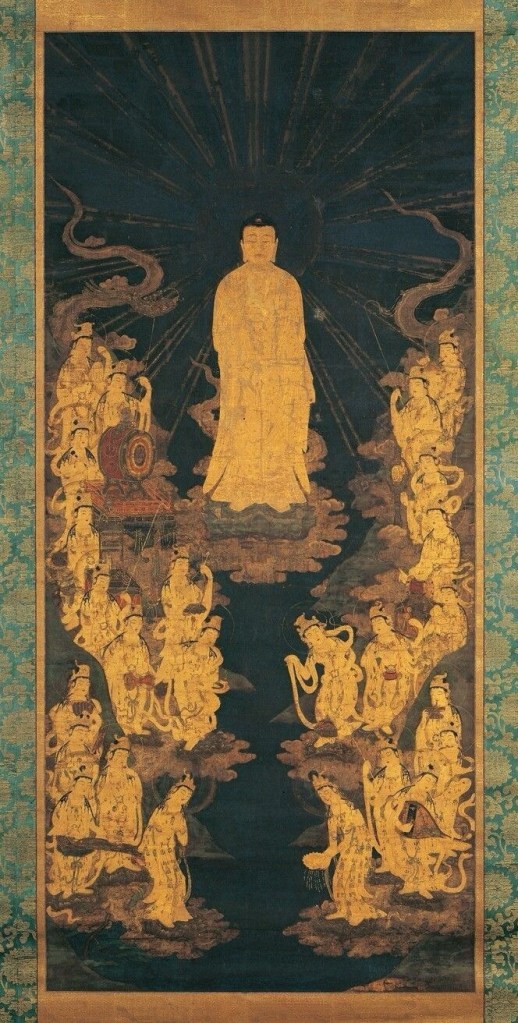
English translation by Upāsikā Jigon (慈嚴), in Australia, 2026.
Chinese text accessed at: Taisho
The Translation
御製無量壽佛贊 The Emperor’s Gāthā on Amitayus Buddha
西方極樂世界尊, 無量壽佛世希有;
能滅無始億劫業, 令彼苦惱悉消除。
In the West is the Sublime Sukhāvatī Lokadhātu,
There dwells the rare to encounter Amitāyus Buddha;
He is able to extinguish beginningless śatasahasra kalpas of transgressions,
And is able to eliminate all manner of duhkha.
若人能以微妙心, 甞以極樂為觀想,
廣與眾生分別說, 舉目即見阿彌陀。
Were one with a sublime and wondrous mind
To have but a taste of this contemplative-visualisation of Sukhāvatī,
And therein extensively expound its descriptions unto sentient beings,
Then one will open one’s eyes and immediately see Amitābha.
佛身色相顯光明, 閻浮檀金無與等,
其高無比由旬數, 六十萬億那由他;
That Buddha’s body manifests distinct rays of light from His rūpa and marks,
With the colour of jāmbūnadasuvarṇa unequalled,
His height, incomparable yojanas in number,
Is of sixty daśasahasras of śatasahasras of nayutas in length;
眉間白毫五須彌, 紺眼弘澄四大海,
光明演出諸毛孔, 一孔遍含諸大千。
Between His eyebrows is a white tuft of hair, five Mt. Merus in height,
His nīla-violet eyes are as vast and clear as the four Great Oceans,
Rays of light emit from all of His pores,
Each pore universally contains the various Trisahasramahāsahasralokadhātus.
一界中有一河沙, 沙有八萬四千相,
一一相中復如是, 作者觀者隨現前。
Within each of these lokadhatus are a single sands of the Ganges of lokadhatus,
And each sand has eighty-four thousand characteristic marks,
Within each and every characteristic mark is a further number of the same,
With all manifesting before the practitioner whom contemplates Him.
以觀佛身見佛心, 眾生憶想見化佛,
從相入得無生忍, 以三昧受無邊慈。
By contemplating that Buddha’s body and by seeing that Buddha’s mind,
Sentient beings who recollect and visualise Him will see that Buddha’s Nirmāṇakāya,
And through each of His marks, one will enter into the attainment of anutpattikadharmakṣānti,
And with this samādhi, one will receive His aprameya maitrī.
佛身無量廣無邊, 化導以彼宿願力,
有憶想者得成就, 神通如意滿虛空。
That Buddha’s body is aparimāṇas of aprameyas in width,
He transforms and guides beings through the power of His former vows,
[0341c15] 佛告阿難及韋提希:「諦聽,諦聽!善思念之。如來今者,為未來世一切眾生為煩惱賊之所害者,說清淨業。善哉韋提希!快問此事。阿難!汝當受持,廣為多眾宣說佛語。如來今者,教韋提希及未來世一切眾生觀於西方極樂世界。以佛力故,當得見彼清淨國土,如執明鏡自見面像。見彼國土極妙樂事,心歡喜故,應時即得無生法忍。」
Those who recollect and visualise Him will attain accomplishment,
One’s power of ṛddhi will accord with one’s own disposition, filling empty space itself.
眾生三種具三心, 精進勇猛無退轉,
即得如來手接引, 七寶宮殿大光明。
Sentient beings of three kinds and who are endowed with three minds,
With courageous Vīrya that is nonretrogressing,
Will immediately receive the Tathāgata’s leading hand,
And enter the Seven-Jewelled Vimāna of great radiant light.
其身踴躍金剛臺, 隨從佛後彈指頃,
行大乘解第一義, 即生七寶蓮池中。
That person will leap atop one’s vajra platform,
Following behind the Buddha for but the time of a snap of the fingers,
One will practise the Mahāyāna vimokṣa of the Ultimate Truth,
And immediately be born within a seven-jewelled lotus flower puṣkariṇī-lake.
阿彌陀佛大慈悲, 十力威德難贊說,
稱名一聲起一念, 八十億劫罪皆除;
Amitābha Buddha’s Mahāmatrī and Mahākaruṇā,
His Daśabalas and Mahātejas are beyond words of praise,
By invoking His name with but one utterance and one act of smṛti,
One will eliminate eighty śatasahasra kalpas of transgressions;
以是濟拔無有窮, 是以名為無量壽。
Thus by saving beings without end,
He is hence called Amitāyus”.
昔世尊居耆闍崛, 與大眾說妙因緣,
離憂惱與閻浮提, 超脫一切諸苦趣。
Formerly, the Bhagavān was on Mt. Gṛdhrakūṭa,
And expounded on these sublime causes and conditions to the Mahāsaṃgha,
Thus He freed beings living in Jambudvīpa from misery and duḥkha,
Enabling them to transcend all manners of Unfortunate Destinies.
淨妙國即極樂界, 修三福發菩提心,
作是念者住堅專, 故說無量壽佛觀。
For that Pure and Sublime Land which is Sukhāvatī Lokadhātu,
For those who cultivate the Three Merits and arouse Bodhicitta,
For those who arouse smṛti and abide in it with firm resolve,
It is for this reason this Amitāyurbuddhadhyāna is taught.
如是功德不可說, 不可說者妙光明,
無量清淨平等施, 五濁眾生咸作佛。
His merits are inexpressible,
Inexpressible are His sublime rays of light,
Aparimāṇas of His purity is impartially bestowed upon all,
So that sentient beings among the Five Turbidities can together attain Buddhahood.
斷彼一切顛倒想, 猶如以水投海中,
濕性混合無不同, 雖有聖智難分別,
They cut off all cognitive distortions,
As if casting water into the ocean,
Where moisture merges with no difference,
Such that even noble wisdom has difficulty discerning it,
人人皆為無量壽, 稽首瞻禮即西方。
And so each and every being ought to serve Amitāyus;
And ought to prostrate one’s head in obeisance unto the West.
佛說觀無量壽佛經 The Buddha Expounds the Amitayurbuddhadhyana Sutra
宋西域三藏畺良耶舍譯 Translated by the Tripitakacarya Kalayasas (Jiangliangyeshe), from the Western Regions, during the Song Dynasty.
[0340c29] 如是我聞:
Thus have I heard:
[0340c29] 一時,佛在王舍城耆闍崛山中,與大比丘眾千二百五十人俱;菩薩三萬二千,文殊師利法王子而為上首。爾時王舍大城有一太子,名阿闍世,隨順調達惡友之教,收執父王頻婆娑羅,幽閉置於七重室內,制諸群臣,一不得往。國大夫人,名韋提希,恭敬大王,澡浴清淨,以酥蜜和麨,用塗其身,諸瓔珞中盛葡萄漿,密以上王。爾時大王,食麨飲漿,求水漱口;漱口畢已,合掌恭敬,向耆闍崛山,遙禮世尊,而作是言:「大目乾連是吾親友,願興慈悲,授我八戒。」時目乾連如鷹隼飛,疾至王所;日日如是,授王八戒。世尊亦遣尊者富樓那,為王說法。如是時間經三七日,王食麨蜜得聞法故,顏色和悅。
At one time, the Buddha was dwelling in Rājagṛha, on Mt. Grdhrakuța, together with a mahābhikṣusaṃgha of one-thousand two-hundred and fifty in number and bodhisattvas thirty-two thousand in number, together with Mañjuśrī Dharmarājakumāra as their foremost. At that time, Rājagṛha had a kumāra-prince who was named Ajātaśatru. Following the teachings of the pāpīyamitra Devadatta, he arrested his father, King Bimbisāra, and threw him into a sevenfold chamber. He then arrested all of the retainers and officials, and none could leave.
That country’s prime consort was named Vaidehī. Out of respect for the great king, she bathed her body, cleaned and purified it, smeared ghee and soft crumbled rice over it, and filled her various hāra-necklaces with grape-juice; keeping all of this a secret from the new king. At that time, the great king ate the crumbled rice and drank the juice, and then went to rinse his mouth with water. After rinsing out his mouth, he brought his hands together in añjali and faced Mt. Gṛdhrakūṭa so as to pay obeisance unto the Buddha from afar. At that time he said:
“Mahāmaudgalyāyana who is my dearest friend, I request your great compassion; may you help grant me the eight precepts.”
At that time, Mahāmaudgalyāyana, like a falcon or hawk in flight, swiftly arrived at that chamber; every day, in just the same way, he gave the king the eight-precepts. The Bhagavān would also send the Āyuṣman Pūrṇamaitryāyaniputra to give the king Dharma Talks. And so in this way, between those thirty-seven days, the king secretly ate crumbled rice and attained lectures on the Dharma, and so the countenance on his face became gentle and relieved.
[0341a14] 時阿闍世問守門人:「父王今者猶存在耶?」時守門者白言:「大王!國大夫人身塗麨蜜,瓔珞盛漿,持用上王;沙門目連及富樓那,從空而來,為王說法,不可禁制。」時阿闍世聞此語已,怒其母曰:「我母是賊,與賊為伴;沙門惡人,幻惑呪術,令此惡王多日不死。」即執利劍欲害其母。
At that time Ajātaśatru asked the gatekeeper:
“Why does my father, the king, now still remain to be?”
Then, the gatekeeper replied to him, saying:
“Great king! The country’s prime consort has been secretly smearing her body with crumbled rice, and filling her hāra-necklaces with grape-juice, all the while keeping it secret from you, new king; furthermore, the Śramaṇa Mahāmaudgalyāyana as well as Pūrṇamaitryāyaniputra, fly here through the air, and give Dharma Talks; we are unable to stop them.”
After Ajātaśatru had heard this he became enraged with his mother and said:
“My mother is but a thief for having become an accomplice to a thief; these śramaṇas are evil men and have used illusory mantras to enable this evil king to not die for days on end.”
Immediately, he grasped at his sharpened sword desiring to harm his mother.
[0341a21] 時有一臣,名曰月光,聰明多智,及與耆婆,為王作禮。白言:「大王!臣聞毘陀論經說:『劫初已來,有諸惡王貪國位故,殺害其父一萬八千。』未曾聞有無道害母。王今為此殺逆之事,污剎利種,臣不忍聞!是栴陀羅,我等不宜復住於此。」時二大臣說此語竟,以手按劍,却行而退。時阿闍世驚怖惶懼,告耆婆言:「汝不為我耶?」耆婆白言:「大王!慎莫害母。」王聞此語,懺悔求救,即便捨劍,止不害母,勅語內官:「閉置深宮,不令復出。」
Then, an official called Candraprabha, who was learned and had much wisdom, together with a man called Jīvaka, paid obeisance unto the king and then said:
“Great king! Us officials have heard the Vedas say:
‘After the beginning of this kalpa, there will come various evil kings desiring a starus within the country, who will kill or harm their fathers’.
But for eighteen-thousand years, none of us have ever heard of such a path in which one would harm one’s mother.
If the king were to now disobey the Vedas on these matters on murder, it would bring disrepute to our kṣatriya caste. We ministers cannot bear to hear of such an act! Allowing this, we would all become caṇḍālas, unable to abide in this place.”
When the two ministers had finished speaking, they placed their hands on their swords and withdraw them from their sheaths before stepping forward.
Then, Ajataśatru, in fear and terror, spoke to Jīvaka:
“Do you dare to use that on me?”
Jīvaka then spoke, saying:
“Great King! Only if you wish to harm your mother.
The king hearing what was said sought repentance and immediately withdrew his sword, halting his intention to harm his mother. An officer then gave an imperial decree:
“Shut down the entire palace. Allow none to leave from here again.”
[0341b02] 時韋提希被幽閉已,愁憂憔悴;遙向耆闍崛山,為佛作禮,而作是言:「如來世尊在昔之時,恒遣阿難來慰問我;我今愁憂,世尊威重,無由得見;願遣目連、尊者阿難,與我相見。」作是語已,悲泣雨淚,遙向佛禮。未舉頭頃,爾時世尊在耆闍崛山,知韋提希心之所念,即勅大目揵連及以阿難,從空而來。佛從耆闍崛山沒,於王宮出。
At that time, after Vaidehī was put under house-arrest, she was overcome with grief and became weak; she then faced Mt. Gṛdhrakūṭa, and from that distance, paid obeisance unto the Buddha, saying:
“The Tathāgata Bhagavān used to once send Ānanda to greet me; I am now stricken with grief but am now unable to gaze upon the Mahātejas of the Buddha; if only I could see the signs of Mahāmaudgalyāyana together with Venerable Ānanda.
After having said this, she paid obeisance unto the Buddha from that distance with tears of grief pouring down her face. In that instance, before she had time to lift up her head, the Bhagavān dwelling on Mt. Gṛdhrakūṭa, knew the thoughts within Vaidehī’s mind, and therein informed Mahāmaudgalyāyana and Ānanda to traverse the sky to go see her. The Buddha then too vanished from Mt. Gṛdhrakūṭa and appeared within the king’s vimāna-palace.
[0341b10] 時韋提希禮已舉頭,見世尊釋迦牟尼佛,身紫金色坐百寶蓮華。目連侍左,阿難在右,釋梵護世諸天在虛空中,普雨天華,持用供養。時韋提希見佛世尊,自絕瓔珞,舉身投地,號泣向佛。白言:「世尊!我宿何罪,生此惡子?世尊復有何等因緣,與提婆達多共為眷屬?唯願世尊,為我廣說無憂惱處,我當往生,不樂閻浮提濁惡世也。此濁惡處,地獄、餓鬼、畜生盈滿,多不善聚。願我未來不聞惡聲,不見惡人。今向世尊五體投地,求哀懺悔。唯願佛日教我觀於清淨業處。」
When Vaidehī finished paying her obeisance and lifted up her head, she saw the Bhagavān Śākyamuni Buddha, Who had a body the colour of jāmbūnadasuvarṇa, sitting atop a hundred-jewelled padmāsana.
To His left was His attendant Mahāmaudgalyāyana, and to His right was His attendant Ānanda.
There too was Śakra, the Dharmapālas, and various devas in the air, who were all raining down extensive numbers of divine flowers and offerings. At that time, Vaidehī seeing the Bhagavān Buddha, threw off her mukuṭa-crown, plunged her body onto the ground, and weeped before the Buddha. She said to Him:
“Bhagavān! What sort of transgressions have I committed such that I have given birth to such an evil son?
Furthermore, what causes and conditions are there for the Bhagavān to be related to Devadatta?
I beseech that the Buddha may explain to me in detail of a place without misery, so that I may be born there, away from this joyless Jambudvīpa in this time of the kaṣāyakāla.
This kaṣāyakāla is filled much with the unwholesomeness of the hells, as well as the preta and animal-realms. I desire that in the future I hear not of their evil names nor see of their evil beings.
I now prostrate myself before the Buddha with the five extremities of my body on the ground.
[0341b21] 爾時世尊放眉間光,其光金色,遍照十方無量世界;還住佛頂,化為金臺,如須彌山。十方諸佛淨妙國土,皆於中現。或有國土七寶合成;復有國土純是蓮花;復有國土如自在天宮;復有國土如頗梨鏡;十方國土皆於中現。有如是等無量諸佛國土嚴顯可觀,令韋提希見。
At that time the Bhagavān issued forth rays from between His eyebrows, His ūrṇa. These rays were of the colour of suvarṇa, which encircled and illumined the aparimāṇas of lokadhātus within the ten directions; as they returned back to the top of the Buddha’s head, they transformed into a platform of suvarṇa resembling Mt. Meru.
The pure and sublime deśa-domains of all the Buddhas within the ten directions, all manifested therein.
Some had deśa-domains composed of the seven-jewels; other domains looked wholly like lotus flowers; other domains looked like the sublime vimāna-palaces of Maheśvara; other domains looked like a spaṭhika-crystal; various such domains within the ten directions manifested therein. These kinds of aparimāṇas of all the buddhakṣetras adorned it and could be clearly seen, allowing Vaidehī to gain sight of them.
[0341b27] 時韋提希白佛言:「世尊!是諸佛土,雖復清淨,皆有光明;我今樂生極樂世界阿彌陀佛所。唯願世尊,教我思惟,教我正受。」
Then, Vaidehī spoke to the Buddha, saying:
“Bhagavān! All of these buddhakṣetras are pure, and all of them filled with rays of light; I now vow for joyful birth within the Sukhāvatī Lokadhātu of Amitābha Buddha. I beseech that the Bhagavān help to instruct me on how to reflect upon this; may He please instruct me on the right methods of samāpatti.”
[0341c01] 爾時世尊即便微笑,有五色光,從佛口出,一一光照頻婆娑羅王頂。爾時大王雖在幽閉,心眼無障,遙見世尊,頭面作禮;自然增進,成阿那含。
At that time the Bhagavān smiled and from the Buddha’s mouth issued forth five-coloured rays, each and every ray then illuminated the head of King Bimbisāra.
At that time, the great king, despite being in a dark room, obtained eyes unhindered, and while seeing the Bhagavān from that distance, paid obeisance with his head at His feet; he then spontaneously and swiftly progressed to the state of an anāgāmin.
[0341c04] 爾時世尊告韋提希:「汝今知不?阿彌陀佛去此不遠;汝當繫念,諦觀彼國淨業成者。我今為汝廣說眾譬,亦令未來世一切凡夫欲修淨業者,得生西方極樂國土。欲生彼國者,當修三福:一者、孝養父母,奉事師長,慈心不殺,修十善業。二者、受持三歸,具足眾戒,不犯威儀。三者、發菩提心,深信因果,讀誦大乘,勸進行者。如此三事名為淨業。」
At that time the Bhagavān addressed Vaidehī:
“Do you not know? Amitābha Buddha is not far from here; you ought to focus your mind, and carefully observe the pure karmas that one forms in that deśa-domain. I will now explain to you in detail their many analogies, and in turn allow all pṛthagjana beings in coming ages who desire to cultivate such pure karmas to be able to attain birth within the Western Direction’s Buddhakṣetra of Sukhāvatī. Those who desire birth within that domain ought to practise these three forms of merit:
The first is maintaining filial piety for one’s father and mother, serving one’s teachers, having a mind of karuṇā and that does not kill, and cultivating the ten wholesome actions;
The second is maintaining one’s refuge in the Three Jewels, being endowed with the various precepts, and having the deportment of non-transgression;
The third is arousing the mind of bodhicitta, having the causes and fruits of deep faith, reciting the scriptures of the Mahāyāna, and inspiring and encouraging fellow practitioners.
These three things are called the Pure Karmas.”
[0341c13] 佛告韋提希:「汝今知不?此三種業,乃是過去、未來、現在三世諸佛淨業正因。」
The Buddha addressed Vaidehī:
“Do you not know? These three kinds of karmas, throughout the three times of past, future, and present, are the true causes of the purified karma of all the Buddhas?”
The Buddha addressed Ānanda and Vaidehī:
“Listen well, listen intently! Apply your minds skilfully. The Tathāgata will now, for all of the future sentient beings, so that they may not be harmed by the thieves that are the kleśas, expound on these purified karmas.
Sādhu! Vaidehī! It is good that you ask this question! Ānanda! You ought to receive and uphold this explanation for the multitudes, so that you may explain and transmit this teaching of the buddhavācana.
The Tathāgata will now instruct Vaidehī so that all of the sentient beings to come may contemplate that Sukhāvatī Lokadhātu within the Western Direction.
By means of the power of the Buddha, you will be able to see that pure-land, just as clearly as one sees the reflection of one’s face in a mirror.
Seeing the domain’s marvellous and sublimely joyful things, one’s mind will become happy, and one shall at that time immediately obtain anutpattikadharmakṣānti.”
[0341c22] 佛告韋提希:「汝是凡夫,心想羸劣,未得天眼,不能遠觀;諸佛如來有異方便,令汝得見。」
The Buddha addressed Vaidehī:
“You are a pṛthagjana, your mind’s visualisations are weak, you have not attained the dīvyacakṣus, and cannot contemplate things faraway, but all of the Buddha Tathāgatas have differing skilful means which shall now enable you to attain vision.”
[0341c24] 時韋提希白佛言:「世尊!如我今者,以佛力故見彼國土。若佛滅後,諸眾生等,濁惡不善,五苦所逼,云何當見阿彌陀佛極樂世界?」
At that time, Vaidehī spoke to the Buddha, saying:
“Bhagavān! Despite how I am now, by the power of the Buddha, I shall be able to see of that domain. If, after the Buddha’s extinction, all of the beings, during the turbid, evil, and unwholesome time to come, are oppressed by the five kinds of suffering, how shall they see of Amitābha Buddha’s Lokadhātu of Sukhāvatī?”
The Sun
[0341c27] 佛告韋提希:「汝及眾生應當專心,繫念一處,想於西方。云何作想?凡作想者,一切眾生自非生盲,有目之徒,皆見日沒。當起想念,正坐西向,諦觀於日,令心堅住,專想不移。見日欲沒,狀如懸鼓。既見日已,閉目開目皆令明了。是為日想,名曰初觀。作是觀者,名為正觀。若他觀者,名為邪觀。」
The Buddha addressed Vaidehī:
“You and all sentient beings ought to single-mindedly fix your smṛti onto a single place and visualise the Western Direction.
How should one visualise it?
For all such beings who produce visualisations, such sentient beings who have not been blind from birth and who have eyes to see, all of them should be able to see the setting of the sun.
You should arouse visualisation and smṛti, sit upright and direct your attention to the west, and rightly contemplate the sun. Cause your mind to firmly abide there and focus your visualisation without allowing it waver.
See the sun as tending towards setting, and in its course, see it suspend itself in the sky.
After seeing the sun, whether opening and closing your eyes, you ought to cause yourself to see it clearly and distinctly.
This serves as the Visualisation of the Sun and is the first contemplation. One who contemplates in this way is said to contemplate correctly. One who contemplate something else is said to contemplate incorrectly.”
The Water
[0342a05] 佛告阿難及韋提希:「初觀成已,次作水想。想見西方一切皆是大水,見水澄清,亦令明了,無分散意。既見水已,當起氷想。見氷映徹,作琉璃想。此想成已,見琉璃地,內外映徹。下有金剛七寶金幢。擎琉璃地。其幢八方八楞具足。一一方面百寶所成。一一寶珠有千光明。一光明八萬四千色。映琉璃地。如億千日不可具見。
The Buddha addressed Ānanda and Vaidehī:
“First, after completing this contemplation, next generate a visualisation of water.
Visualise seeing the western direction completely covered by a Great Ocean. See it as clear and pure, and also see it clearly and distinctly without any scattered thoughts.
After having seen the ocean you should now arouse the visualisation of ice.
Penetrate through the ice and produce the visualisation of vaiḍūrya1.
After completing the visualisation of vaiḍūrya, you should see the ground as vaiḍūrya, penetrating it inside and out.
From here, there are seven-jewelled2 golden dhvajastambha-pillars of vajra which are supported by the vaiḍūrya ground.
These dhvaja-stambhas have eight faces each pointing toward the eight directions3, and in each direction the faces are replete with jewels.
Each jewel has a thousand rays of light, and each ray of light has eighty-four thousand colours, which reflect on the vaiḍūrya ground, resembling one śatasahasra4 and a thousand suns which cannot be fully seen in detail.
琉璃地上。以黃金繩雜廁間錯。以七寶界分齊分明。一一寶中有五百色光。
Upon the vaiḍūrya ground, it is laid out in eight-sections with suvarṇasūtras. The seven jewels form these sections, which are distinct and well-defined. Within each of the jewels are five-hundred rays of colours.
其光如花。又似星月。懸處虛空成光明臺。樓閣千萬百寶合成。於臺兩邊各有百億花幢無量樂器。以為莊嚴。八種清風從光明出。鼓此樂器。演說苦空無常無我之音。
There, a ray resembling a puṣpa — as well as resembling the stars and moon — is suspended in the sky and forms a jyotirmaṇḍapa.
A thousand daśasahasra vimānas formed of the hundred jewels are suspended atop the jyotirmaṇḍapa, and on each side, serving as adornments, are a hundred śatasahasra puṣpadhvajas, as well as aparimāṇas7 of musical instruments.
A cool breeze from the eight-directions emerges from within the light, playing and strumming the instruments; the melodies of which expound upon the teachings of duḥkha, śūnyatā, anityā, and anātman.
是為水想。名第二觀。
This serves as the Visualisation of Water and is called the second contemplation.”
此想成時。一一觀之極令了了。閉目開目不令散失。唯除食時。恒憶此事。作此觀者名為正觀。若他觀者名為邪觀。
When this visualisation is complete, each and every one of the contemplations should become extremely distinct, so that even with the eyes closed or open, it cannot be lost. Except for when eating, one should always maintain smṛti8 on this matter. One who contemplates in this way is said to contemplate correctly. One who contemplate something else is said to contemplate incorrectly.”
The Ground
佛告阿難及韋提希。水想成已。名為粗見極樂國地。若得三昧。見彼國地了了分明。不可具說。
The Buddha addressed Ānanda and Vaidehī:
“Completing the visualisation of the water is called the Rough Visualisation of the Ground of Sukhāvatī9. If one obtains this samādhi10, then one should see that land’s ground clearly and distinctly, such that it cannot be completely described.
是為地想。名第三觀 。
This serves as the Visualisation of the Ground and is called the third contemplation.”
佛告阿難。汝持佛語。為未來世一切大眾欲脫苦者。說是觀地法。若觀是地者。除八十億劫生死之罪。捨身他世必生淨國。心得無疑。作是觀者名為正觀。若他觀者名為邪觀。
The Buddha addressed Ānanda and Vaidehī:
“You ought uphold the words of the Buddha. Those in the future times of the Mahāsaṃgha who desire liberation from duḥkha expound on this practise of the contemplation of the ground.
For those who contemplate this ground, they will eliminate eight koṭi kalpas11 of transgressions, leave behind the body of saṃsāra, be assured of rebirth within the Pure Land, and have their hearts free of doubt. One who contemplates in this way is said to contemplate correctly. One who contemplate something else is said to contemplate incorrectly.”
The Tāla Trees
佛告阿難及韋提希。地想成已。次觀寶樹。觀寶樹者 。一一觀之作七重行樹想。一一樹高八千由旬。其諸寶樹七寶花葉無不具足。
The Buddha addressed Ānanda and Vaidehī:
“After completing the visualisation of the ground, next comes the contemplation of the jewelled trees.
Those who contemplate the jewelled trees, ought to contemplate them gradually and generate the visualisation of seven rows of trees.
Each tree is eight-thousand yojanas12 tall. These jewelled trees are utterly replete with the seven jewels, kusuma-blossoms, and fruits.
一一華葉作異寶色。琉璃色中出金色光。頗梨色中出紅色光。馬腦色中出車磲光。車磲色中出綠真珠光。珊瑚琥珀一切眾寶以為映飾。妙真珠網彌覆樹上。一一樹上有七重網。一一網間有五百億妙華宮殿。如梵王宮。諸天童子自然在中。一一童子有五百億釋迦毘楞伽摩尼寶以為瓔珞。
Each kusuma-blossom and leaf produces different colours of jewels:
From within the vaiḍūrya coloured ones issue forth a suvarṇa light. Within the spaṭhika coloured ones issue forth a padma light. The aśmagarbha coloured ones issue forth a musāragalva light. The musāragalva ones issue forth a lohitamuktā light. The pravāla13, śirīṣagarbha14, and all of the various jewels serve as matching adornments.
Sublime lohitamuktā nets of kiṅkinī-bells drape over the trees, and for each of the trees, there are seven layers of kiṅkinījāla nets which drape over them.
Between each net are five-hundred śatasahasras of sublime kusumas and lofty vimānas resembling the vimānas of Brahma.
Various transformational kumāra15 devaputras16 reside within, and each of these kumāras have five-hundred śatasahasras of cintāmaṇi17 jewels which serve as hāra-necklaces.
其摩尼光照百由旬。猶如和合百億日月。不可具名。眾寶間錯色中上者。此諸寶樹行行相當。葉葉相次。於眾葉間生諸妙花。花上自然有七寶果。
These maṇi18 jewels issue forth light a hundred yojanas in measure, like the coming together of a hundred śatasahasra suns and moons, which are beyond description.
All of these colours intermingle within the jewels, and are supreme above all.
All of the jewelled trees are aligned with one another concentrically, and with leaves next to one another.
Among the many leaves grow various sublime flowers and atop each flower are transformationally generated fruits made of the seven jewels.
一一樹葉。縱廣正等二十五由旬。其葉千色有百種畫。如天纓珞。有眾妙華作閻浮檀金色。如旋火輪。宛轉葉間踊生諸果。如帝釋瓶。有大光明。化成幢幡無量寶蓋。
Each tree has leaves which are perfectly equal to twenty-five yojanas in length and width. These leaves have a thousand colours with a hundred kinds of auspicious-symbols which resemble divine hāra-necklaces.
Various sublime flowers produce the colour of jāmbūnadasuvarṇa19. And like alātacakras20, they effortlessly spin between the leaves, dancing and generating the various fruits. Like Indra’s vase, their immense radiance transform into dhvaja-stambhas, patākā-flags and into aparimāṇas of jewelled chattra-parasols.
是寶蓋中。映現三千大千世界一切佛事。十方佛國亦於中現。
Within these jewelled chattra-parasols reflect and manifest the Trisahasramahāsahasralokadhātu21 as well as all of the buddhakāryas.
The buddhakṣetras of the ten directions also manifest therein.
見此樹已。亦當次第一一觀之。觀見樹莖枝葉華果。皆令分明。
Visualising these tāla trees, one must successively contemplate one by one in this way: one ought to contemplate and visualise the tāla trees, then the trunks, the branches, the leaves, flowers, and fruits. All of them should be seen clearly and distinctly.
是為樹想。名第四觀。作是觀者名為正觀。若他觀者名為邪觀。
This serves as the Visualisation of the Tāla Trees and is called the fourth contemplation. One who contemplates in this way is said to contemplate correctly. One who contemplates something else is said to contemplate incorrectly.”
The Bodies of Water
[0342b23] 佛告阿難及韋提希:「樹想成已,次當想水。欲想水者,極樂國土有八池水。一一池水七寶所成;其寶柔軟從如意珠王生,分為十四支;一一支作七寶色。黃金為渠,渠下皆以雜色金剛以為底沙。
The Buddha addressed Ānanda and Vaidehī:
“Having completed the visualisation of the tāla trees, next you should visualise the water.
For one who desires to visualise the water, the Land of Sukhāvatī has eight puṣkariṇī-lakes.
Each and every one of these puṣkariṇī-lakes’ waters are composed of the seven jewels; these jewels are subtle and are born from a cintāmaṇirāja jewel, and these divide into fourteen sections;
Each and every section produces the colours of the seven jewels.
Suvarṇa serves as the conduits and below these conduits are beds of vajra sand composed of variegated colours.
一一水中有六十億七寶蓮花,一一蓮華團圓正等十二由旬。其摩尼水流注華間,尋樹上下。其聲微妙,演說苦、空、無常、無我、諸波羅蜜,復有讚歎諸佛相好者。
Within each of the waters are sixty śatasahasras of seven-jewelled lotus flowers, each and every lotus flower is perfectly equally to twelve yojanas in length and width.
The maṇi jewelled water flows and rains down between the flowers, with a vertical height of a vyāma’s22 length. Their sounds are gentle and sublime and they expound on duḥkha, śūnyatā, anityā, anātman, all of the pāramitās, and the praises of all of the major and minor marks of the Buddhas.
從如意珠王踊出金色微妙光明,其光化為百寶色鳥,和鳴哀雅,常讚念佛、念法、念僧,
From the cintāmaṇi jewel issues forth rays of light the colour of suvarṇa, each ray transforms into a hundred jewel-coloured birds which melodiously sing melodious and elegant songs in constant praise of buddhānusmṛti, dharmānusmṛti, and saṃghānusmṛti,23
是為八功德水想,名第五觀。作是觀者,名為正觀。若他觀者,名為邪觀。」
This serves as the Visualisation of the Eight Meritorious Bodies of Water and is called the fifth contemplation. One who contemplates in this way is said to contemplate correctly. One who contemplates something else is said to contemplate incorrectly.”
[0342c06] 佛告阿難及韋提希:「眾寶國土,一一界上有五百億寶樓,其樓閣中有無量諸天,作天伎樂。
The Buddha addressed Ānanda and Vaidehī:
“Above the various jewelled sections of land, above each and every border, are five koṭis of jewelled prāsāda-palaces, within the prāsāda-palaces are aparimāṇas of various devas who create heavenly music.
又有樂器懸處虛空,如天寶幢不鼓自鳴。此眾音中,皆說念佛、念法、念比丘僧。
Furthermore, there are musical instruments suspended across every region in the sky. Just like the jewelled dhvajas of the devas, they play without being strummed.
From within their various melodies, all of them expound upon buddhānusmṛti, dharmānusmṛti, and bhikṣusaṃghānusmṛti24.
此想成已,名為粗見極樂世界寶樹、寶地、寶池,是為總觀想,名第六觀。
Completing this visualisation is called the Rough Visualisation of Sukhāvatī Lokadhātu’s25 Jewelled Tāla trees, Jewelled Grounds, and Jewelled Puṣkariṇī-Lakes, which serve as a Composite Contemplation and Visualisation; it is called the sixth contemplation.
若見此者,除無量億劫極重惡業,命終之後必生彼國。作是觀者,名為正觀。若他觀者,名為邪觀。」
If one sees this then one will eliminate aparimāṇas of śatasahasras of kalpas of extremely grave and evil karmas, and after reaching the end of one’s life, one will be born in that land. One who contemplates in this way is said to contemplate correctly. One who contemplates something else is said to contemplate incorrectly.”
[0342c14] 佛告阿難及韋提希:「諦聽,諦聽!善思念之。吾當為汝分別解說除苦惱法,汝等憶持,廣為大眾分別解說。」說是語時,無量壽佛住立空中,觀世音、大勢至,是二大士侍立左右。光明熾盛不可具見,百千閻浮檀金色不可為比。
The Buddha addressed Ānanda and Vaidehī:
“Listen well! Listen intently! Listen with minds skilfully! I will now explain to you in great detail, the Dharma which eliminates duḥkha. You all ought to recollect and uphold it, and then extensively expound it in great detail to the Mahāsaṃgha.”
When these words were said, Amitāyus Buddha stood within the air together with Avalokitasvara Bodhisattva and Mahāsthāmaprāpta Bodhisattva — these two Mahāsattva attendants standing on His left and right. The rays of light, filled the air like a blaze, which was unable to be seen in such detail, that even the colour of a hundred-thousand jambūnadasuvarṇa could not compare to it.
[0342c19] 時韋提希見無量壽佛已,接足作禮,白佛言:「世尊!我今因佛力故,得見無量壽佛及二菩薩,未來眾生,當云何觀無量壽佛及二菩薩?」
Then, after Vaidehī saw Amitāyus Buddha, paid obeisance unto the Buddha with her head at His feet, and she said to the Buddha:
“Bhagavān! I have now, due to the causes of the Buddha’s power, obtained vision of Amitāyus Buddha and the two Bodhisattvas. For the sake of the beings in the future, how should one contemplate Amitāyus and Buddha and the two Bodhisattvas?”
The Padmāsana
[0342c22] 佛告韋提希:「欲觀彼佛者,當起想念,於七寶地上作蓮花想,令其蓮花一一葉作百寶色。有八萬四千脈,猶如天畫;一一脈有八萬四千光,了了分明,皆令得見。
The Buddha addressed Vaidehī:
“If one desires to contemplate that Buddha, one should arouse visualisation and smṛti; one should generate the visualisation of a padma flower atop a seven-jewelled ground, causing each and every leaf of this padma flower to produce a hundred colours of jewels and have eighty-four thousand veins resembling divine auspicious symbols; each and every vein has eighty-four thousand rays which separate into distinct rays of light, such that all can be seen in detail.
華葉小者,縱廣二百五十由旬;如是蓮華有八萬四千大葉,一一葉間,有百億摩尼珠王以為映飾。一一摩尼珠放千光明,其光如蓋,七寶合成,遍覆地上。
The small leaves of the flower are two-hundred and fifty yojanas in length and width; likewise, the padma flower itself has eighty-four thousand large leaves, and between each and every leaf are a hundred śatasahara cintāmaṇirāja26 jewels which serve as adornments.
Each and every cintāmaṇirāja jewel issues out a thousand rays of light, and these rays form a chattra-parasol replete with the seven jewels, which completely covers over the ground.
釋迦毘楞伽摩尼寶以為其臺;此蓮花臺,八萬金剛甄叔迦寶,梵摩尼寶,妙真珠網,以為交飾。
Śakrābhilagnamaṇi27 jewels serve as the dais; this lotus flower dais is adorned with intermingling decorations of eighty-thousand vajra-kiṃśuka28 jewels, brahmamaṇi29 jewels, and sublime lohitamuktā nets of kiṅkinīs.
於其臺上,自然而有四柱寶幢,一一寶幢如百千萬億須彌山;幢上寶縵如夜摩天宮,復有五百億微妙寶珠,以為映飾。
Above this dais, transformationally manifested, are four jewelled dhvaja-stambhas.
Each and every jewelled dhvaja-stambha is like hundreds of thousands of daśasahasras of śatasahasra Mt. Merus; atop these dhvaja-stambhas are jewelled patta-cloths like the vimānas of the Yāma Realm devas.
Furthermore, they have five koṭis of sublime and wondrous jewels and muktā-pearls serving as adornments.
一一寶珠有八萬四千光,一一光作八萬四千異種金色,一一金色遍其寶土,處處變化,各作異相;或為金剛臺,或作真珠網,或作雜花雲,於十方面隨意變現,施作佛事,是為花座想,名第七觀。」
Each and every jewel and pearl has eighty-four thousand rays of light; each and every ray produces eighty-four thousand different sorts of colours of suvarṇa; each and every colour of suvarṇa pervades the jewelled land.
In each place, here and there, they transform into objects with different features:
Some serve as a vajra dais, some produce kiṅkinīmuktājāla nets, and some produce clouds of intermingling flowers.
These all manifest from each of sides pointing in the ten directions, and according with one’s wishes, performs all of the buddhacāryas31.
This is the Visualisation of the Padmāsana32, it is called the seventh contemplation.”
[0343a11] 佛告阿難:「如此妙花,是本法藏比丘願力所成,若欲念彼佛者,當先作此妙花座想。作此想時不得雜觀;皆應一一觀之,一一葉,一一珠,一一光,一一臺,一一幢,皆令分明,如於鏡中自見面像。
The Buddha addressed Ānanda:
“Such a sublime padma flower is made created by the power of the roots of Bhikṣu Dharmakāra’s33 vows.
If one wishes to be obtain smṛti of that Buddha, one should then produce this visualisation of His sublime padmāsana.
When one produces this visualisation, one should not mix the contemplations; all should be contemplated one by one, each and every leaf, each and every muktā-pearl, each and every ray, each and every platform, each and every dhvaja-stambha, all of these should be distinct as if looking at one’s face in a mirror.
此想成者,滅除五百億劫生死之罪,必定當生極樂世界。作是觀者,名為正觀。若他觀者,名為邪觀。」
One who completes this visualisation extinguishes and eliminates five koṭis of kalpas of transgressions throughout saṃsāra, and will assuredly be born within Sukhāvatī Lokadhātu. One who contemplates in this way is said to contemplate correctly. One who contemplates something else is said to contemplate incorrectly.”
The Rūpakāyas of the Buddha and Bodhisattvas
[0343a18] 佛告阿難及韋提希:「見此事已,次當想佛。所以者何?諸佛如來是法界身,遍入一切眾生心想中;是故汝等心想佛時,是心即是三十二相、八十隨形好。是心作佛,是心是佛。諸佛正遍知海,從心想生,是故應當一心繫念,諦觀彼佛、多陀阿伽度、阿羅呵、三藐三佛陀。
The Buddha addressed Ānanda and Vaidehī:
“After one has seen these things, one should next visualise the Buddha.
Wherefore?
All of Buddha Tathāgatas are the Body of the Dharmadhātu34, and everywhere enter into the visualisations in the minds of all sentient beings; therefore when all of you visualise the Buddha with your minds, the mind therein immediately becomes the thirty-two major and eighty minor marks.
This mind produces the Buddha, and this mind is the Buddha. All of the Buddhas completely pervade the oceans of knowledge, from which the mind gives birth to visualisation, therefore one should with single mind apply smṛti, and correctly contemplate that Buddha, Tathāgata, Arhat, Samyaksambuddha.
想彼佛者,先當想像。閉目開目,見一寶像,如閻浮檀金色,坐彼華上。像既坐已,心眼得開,了了分明,見極樂國七寶莊嚴,寶地、寶池、寶樹行列,諸天寶縵彌覆樹上,眾寶羅網滿虛空中。見如此事,極令明了,如觀掌中。見此事已,復當更作一大蓮華在佛左邊,如前蓮華等無有異。
One who visualises that Buddha, should firstly visualise His rūpa35.
Open and close your eyes, and see a jewelled rūpa resembling the colour of jāmbūnadasuvarṇa sitting atop a padma flower.
After the rūpa is seated, the mind’s eye will open, and clearly and distinctly, one will see the Domain of Sukhāvatī’s seven jewelled splendour, with its jewelled grounds, jewelled puṣkariṇī-lakes, jewelled rows of tāla trees, its various divine jewelled patta-tapestries draped over the tāla trees, and various jewelled kiṅkinījālas filling up the sky.
Seeing these things, they should be extremely distinct, like contemplating the palm of one’s hand.
After seeing these things, one should further produce a great padma flower to the right and to the left of the Buddha, resembling the padma flower from before, which are exactly the same and no different.
復作一大蓮華在佛右邊,想一觀世音菩薩像坐左華座,亦放金光如前無異。想一大勢至菩薩像坐右華座。此想成時,佛菩薩像皆放妙光;其光金色,照諸寶樹。一一樹下亦有三蓮華,諸蓮華上各有一佛二菩薩像,遍滿彼國。此想成時,行者當聞水流、光明及諸寶樹、鳧鴈、鴛鴦皆說妙法。
One should visualise the rūpa of Avalokitasvara Bodhisattva sitting on the padmāsana on the Buddha’s left, which also issues forth rays of suvarna just like before and no different. Also, one should visualise Mahāsthāmaprāpta Bodhisattva sitting on the padmāsana on the Buddha’s right.
When this visualisation is completed, the Buddha and Bodhisattva rūpas then all issue forth sublime rays; these rays have the colour of suvarṇa, and they illuminate all of the jewelled tāla trees.
Below each and every tāla tree are also three padmāsanas, and atop each of the padmāsanas is one Buddha and two Bodhisattva rūpas, which appear throughout the domain.
When this visualisation is complete, the one who practises this should hear the flowing waters, rays of light and jewelled tāla trees as well as the haṃsa, krauñca, and mayūra birds all expounding the sublime Dharma.
出定、入定恒聞妙法。行者所聞,出定之時憶持不捨,令與修多羅合。若不合者,名為妄想,若與合者,名為麁想見極樂世界。
Whether exiting or entering this śamathā36, one should hear the sublime Dharma.
One who hears these things, when exiting śamathā, maintains and recollects it without abandoning it, allowing it to harmonise with the sūtra.
If it does not harmonise, it is called a deluded visualisation. If it does harmonise, it is called the Coarse Visualisation of seeing Sukhāvatī Lokadhātu.
是為想像,名第八觀。作是觀者,除無量億劫生死之罪,於現身中得念佛三昧。作是觀者,名為正觀。若他觀者,名為邪觀。」
This serves as the Visualisation of the Rūpas, it is the eighth contemplation. One who produces this contemplation eliminates aparimāṇas of śatasahasras of kalpas of transgression throughout saṃsāra, one manifests within one’s body the attainment of the buddhānusmṛti samādhi. One who contemplates in this way is said to contemplate correctly. One who contemplates something else is said to contemplate incorrectly.”
The Body of Amitāyus Buddha
[0343b15] 佛告阿難及韋提希:「此想成已,次當更觀無量壽佛身相光明。阿難當知!無量壽佛身,如百千萬億夜摩天閻浮檀金色。佛身高六十萬億那由他恒河沙由旬;眉間白毫右旋宛轉,如五須彌山。
The Buddha addressed Ānanda and Vaidehī:
“After completing this visualisation, one should next visualise and contemplate the major and minor marks, the rays, and the light of Amitāyus37 Buddha’s body.
Ānanda, this you should know!
Amitāyus Buddha’s body resembles hundreds of thousands of daśasahasras of śatasahasra colours of the jāmbūnadasuvarṇa within the Yāma Realm devas.
That Buddha’s body is sixty daśa sahasra a of śatasahasras of nayutas38 of sands in the Ganges River yojanas tall.
The white tuft of hair between His eyebrows, His ūrṇa, circles to the right, and resembles five Mt. Merus.
佛眼清淨如四大海水,清白分明。身諸毛孔演出光明,如須彌山。彼佛圓光如百億三千大千世界;於圓光中,有百萬億那由他恒河沙化佛;一一化佛,亦有眾多無數化菩薩,以為侍者。
That Buddha’s eyes are pure nīla39 resembling the four great oceans, with the nīla-violet and the white, clear and distinct.
His body’s various pores emit rays of light, just like Mt. Meru.
That Buddha’s circular halo resembles a hundred śatasahasra Trisahasramahāsahasralokadhātus;
Within the circular halo are a hundred daśasahasras of śatasahasras of nayutas of sands within the Ganges of Nirmāṇakāya40 Buddhas;
Each and every Nirmāṇakāya Buddha also has a multitude of many aprameyas41 of Nirmāṇakāya Bodhisattvas whom serve as Their attendants.
無量壽佛有八萬四千相;一一相中,各有八萬四千隨形好;一一好中復有八萬四千光明;一一光明遍照十方世界,念佛眾生攝取不捨。其光相好及與化佛,不可具說;但當憶想令心明見。
Amitāyus Buddha has eighty-four thousand major marks;
Each and every major mark has a further eighty-four thousand minor marks;
Within each and every minor mark are a further eighty-four thousand rays of light;
Each and every ray of light completely pervades the ten directions of the Dharmadhātu, saving all sentient beings through buddhānusmṛti, without abandoning any one of them.
The minor mark of the Buddha’s rays of light, as well as the Nirmāṇakāya Buddhas, are all impossible to describe in detail; only through smṛti and visualisation can the mind see them distinctly.
見此事者,即見十方一切諸佛,以見諸佛故名念佛三昧。作是觀者,名觀一切佛身,以觀佛身故亦見佛心。諸佛心者大慈悲是,以無緣慈攝諸眾生。作此觀者,捨身他世,生諸佛前,得無生忍。是故智者應當繫心諦觀無量壽佛。
After seeing these things, one will immediately see all of the Buddhas within the ten directions, and by seeing all of the Buddhas, it thus called the buddhānusmṛti samādhi.
Producing this contemplation is called contemplating the body of all the Buddhas, and by contemplating the Buddha does one also see the mind of the Buddha.
The Mind of all the Buddhas is Mahākaruṇā41, which through unconditioned maitrī42 contains all sentient beings.
Producing this contemplation, one abandons the body of saṃsāra, and being born before the Buddhas, attains anutpattikadharmakṣānti43.
Therefore, those who are wise ought to align their minds with the Truth, and contemplate Amitāyus Buddha.
觀無量壽佛者,從一相好入,但觀眉間白毫,極令明了。見眉間白毫相者,八萬四千相好自然當見。見無量壽佛者,即見十方無量諸佛;得見無量諸佛故,諸佛現前受記。
Contemplating Amitāyus Buddha, one enters within a single major mark, wherein one merely contemplates the white tuft of hair between His eyebrows, the ūrṇa, causing it to become clear and distinct.
After seeing the mark of the white tuft of hair, one will spontaneously see the eighty-four thousand marks and minor marks.
The one who sees Amitāyus Buddha will immediately see the asaṃkhyeya44 Buddhas within the ten directions; and because of seeing the asaṃkhyeya Buddhas in the ten directions, one will receive the prediction of Buddhahood by the Buddhas Whom will manifest before oneself.
是為遍觀一切色想,名第九觀。作是觀者,名為正觀。若他觀者,名為邪觀。」
This serves as the Complete Contemplation of the Visualisation of all the Rūpas, and is called the ninth contemplation. One who contemplates this way is said to contemplate correctly. One who contemplates something else is said to contemplate incorrectly.”
The Body of Avalokitasvara Bodhisattva
[0343c11] 佛告阿難及韋提希:「見無量壽佛了了分明已,次亦應觀觀世音菩薩。此菩薩身長八十億那由他恒河沙由旬,身紫金色,頂有肉髻,項有圓光,面各百千由旬。其圓光中有五百化佛,如釋迦牟尼。
The Buddha addressed Ānanda and Vaidehī:
“After clearly and distinctly seeing Amitāyus Buddha, one should next also contemplate Avalokitasvara45 Bodhisattva.
This bodhisattva’s body is eighty śatasahasra nayutas of sands in the Ganges River yojanas tall, and his body is the colour of jāmbūnadasuvarṇa.
The top of his head with its uṣṇīṣa, his neck with its circular halo, and his face are each hundreds of thousands of yojanas in length.
Within his circular halo are five-hundred Nirmāṇakāya Buddhas, Whom resemble Śākyamuni Buddha.
一一化佛,有五百菩薩,無量諸天,以為侍者。舉身光中五道眾生,一切色相皆於中現。頂上毘楞伽摩尼妙寶,以為天冠。其天冠中有一立化佛,高二十五由旬。
Each and every one of these Nirmāṇakāya Buddhas, has five-hundred bodhisattvas and aparimāṇas of devas serving as attendants.
From within the aura of light around his body are the five paths of sentient beings, with all of their forms and characteristics manifest within.
Atop his head are sublime śakrābhilagna jewels which adorn his divine mukuṭa.
Within the divine mukuṭa-crown is a standing Nirmāṇakāya Buddha Who is twenty-five yojanas tall.
觀世音菩薩面如閻浮檀金色;眉間毫相備七寶色,流出八萬四千種光明;一一光明,有無量無數百千化佛;一一化佛,無數化菩薩以為侍者,變現自在滿十方界。
Avalokitasvara Bodhisattva’s face resembles the colour of jāmbūnadasuvarṇa;
The mark of the white tuft of hair between his eyebrows, his ūrṇa, is replete with the colours of the seven jewels, and from within flow out eighty-four thousand different kinds of rays of light;
Each and every ray of light has aparimāṇas of asaṃkhyeyas of hundreds of thousands of Nirmāṇakāya Buddhas;
Each and every Nirmāṇakāya Buddha is attended by asaṃkhyeyas of bodhisattvas, transforming and manifesting with self-sovereignty, and filling up the realms throughout the ten directions.
臂如紅蓮花色,有八十億微妙光明,以為瓔珞;其瓔珞中,普現一切諸莊嚴事。手掌作五百億雜蓮華色;手十指端,一一指端有八萬四千畫,猶如印文。
His arm resembles the colour of a padma flower and with eighty śatasahasras of subtle rays of light adorning it as keyūra-armlets;
From within the keyūra-armlets completely manifest all the different kinds of adornments.
The palms of his hands produce five-hundred śatasahasra intermingling colours of padma flowers;
Endowed with ten fingers on his hands, the fingerprints each have eighty-four thousand auspicious symbols, resembling seals and text.
一一畫有八萬四千色;一一色有八萬四千光,其光柔軟普照一切,以此寶手接引眾生。
Each and every auspicious symbol has eighty-four thousand colours;
Each and every colour has eighty-four thousand rays, and these rays subtly and universally illuminate all directions.
With these jewelled hands he helps lead all sentient beings.
舉足時,足下有千輻輪相,自然化成五百億光明臺。下足時,有金剛摩尼花,布散一切莫不彌滿。其餘身相,眾好具足,如佛無異,唯頂上肉髻及無見頂相,不及世尊。
When he lifts one of his feet, beneath it is the major mark of a thousand-spoked cakra which transformationally manifests five-hundred śatasahasra jyotirmandapas. When he puts one of his feet down, there manifest vajramaṇi lotus flowers which spread out everywhere, and with nowhere that they do not completely cover. The remaining major marks of his body, and all of the minor marks, are the same as the Buddha’s and no different, with only the major mark of the invisible mark, and the uṣṇīṣa47 missing unlike with the Bhagavān.
是為觀觀世音菩薩真實色身相,名第十觀。」
This serves as the Contemplation of the Characteristics of the True Rūpakāya48 of Avalokitasvara Bodhisattva, and is called the tenth contemplation.”
[0344a11] 佛告阿難:「若欲觀觀世音菩薩當作是觀。作是觀者不遇諸禍,淨除業障,除無數劫生死之罪。如此菩薩,但聞其名,獲無量福,何況諦觀!若有欲觀觀世音菩薩者,當先觀頂上肉髻,次觀天冠。其餘眾相亦次第觀之,悉令明了,如觀掌中。作是觀者,名為正觀。若他觀者,名為邪觀。」
The Buddha addressed Ānanda:
“If one desires to contemplate Avalokitasvara Bodhisattva then one should produce this contemplation. Producing this contemplation will cause one not to meet various misfortunes, to cleanse one of karmic hindrances, and eliminate aprameyas of kalpas of transgressions throughout samsāra. Such is this the case with this bodhisattva that by merely hearing his name it grants aparimāṇas of merit, how much more so by truly contemplating him?! If one has the desire to contemplate Avalokitasvara Bodhisattva, then one should first contemplate the uṣṇīṣan atop his head, and then next contemplate his divine mukuṭa-crown. All of the remaining major and minor marks should be contemplated in order, causing all of them to be clear and distinct, as if contemplating the palm of one’s hand. One who contemplates in this way is said to contemplate correctly. One who contemplates something else is said to contemplate incorrectly.
The Body of Mahāsthāmaprāpta Bodhisattva
[0344a18] 佛告阿難及韋提希:「次觀大勢至菩薩。此菩薩身量大小亦如觀世音,圓光面各二百二十五由旬,照二百五十由旬。舉身光明照十方國,作紫金色。有緣眾生皆悉得見。但見此菩薩一毛孔光,即見十方無量諸佛淨妙光明,是故號此菩薩名無邊光。
The Buddha addressed Vaidehī:
“Next is the contemplation of Mahāsthāmaprāpta Bodhisattva. This bodhisattva’s body is more or less the same as Avalokitasvara’s. The circular halo and the face are each twenty-five yojanas, and illuminates two-hundred and fifty yojanas in measure. The aura of light around his body illuminates the lands within the ten directions causing them to be the colour of jāmbūnadasuvarṇa. Those sentient beings with the right conditions will all be able to receive vision of it. Merely seeing a single ray emitted from a single pore from this bodhisattva causes one to immediately see the pure and sublime rays of light from aparimāṇas of Buddhas within the ten directions, and this is why this bodhisattva is called Aparimāṇabhāsa49.
以智慧光普照一切,令離三塗,得無上力,是故號此菩薩名大勢至。此菩薩天冠有五百寶蓮華;一一寶華有五百寶臺。一一臺中,十方諸佛淨妙國土廣長之相,皆於中現。頂上肉髻如鉢頭摩花。於肉髻上有一寶瓶,盛諸光明,普現佛事。
With the light of prajñā and karuṇā, he illuminates all beings, enabling them to be freed from the three lower destinies, and obtain anuttarasthāma50, and this is why this bodhisattva is called Mahāsthāmaprāpta51. This bodhisattva’s divine mukuṭa-crown has five-hundred jewelled-padma flowers; each and every jewelled-flower has five-hundred platforms. Within each and every platform, manifest the horizontal and vertical characteristics of all the pure and sublime buddhakṣetras52 within the ten directions. The uṣṇīṣa on his head resembles a padma flower, and on it sits a single jewelled vase filled with all the rays of light which universally manifest the buddhacāryas.
餘諸身相如觀世音,等無有異。此菩薩行時,十方世界一切震動,當地動處各有五百億寶花。
All of the remaining major and minor marks of his body resemble Avalokitasvara’s, being the same and without difference. When this bodhisattva walks he causes the lokadhātus within the ten directions to shake, causing wherever the ground shakes to grow and manifest five koṭis of jewelled flowers.
一一寶花莊嚴高顯,如極樂世界。此菩薩坐時,七寶國土一時動搖。從下方金光佛剎,乃至上方光明王佛剎,
Each and every jewelled flower rises out as adornments and causes that lokadhātu to resemble the Lokādhātu of Sukhāvatī. When this bodhisattva sits, the seven jewelled lands at once tremble from within the nadir direction of the Buddhakṣetra of Suvarṇaprabhāsa53 Buddha up to the Buddhakṣetra of Jvālanādipati54 Buddha in the zenith direction.
於其中間無量塵數分身無量壽佛,分身觀世音、大勢至,皆悉雲集極樂國土,側塞空中坐蓮華座,演說妙法,度苦眾生。
Between these lands are aparimāṇas of paramāṇus of partial-nirmāṇakāyas of Amitāyus Buddha, and the partial-nirmāṇakāyas of Avalokitasvara and Mahāsthāmaprāpta. All of Them gather together atop the clouds from within the Land of Sukhāvatī, and on them traverse and halt within sky. While sitting atop Their padmāsanas, They expound the sublime Dharma to sentient beings, causing them to cross over the River Nairaṃjana, away from duḥkha.
作此觀者,名為觀見大勢至菩薩;是為觀大勢至色身相。
Producing this contemplation is called the Contemplation of seeing Mahāsthāmaprāpta; this serves as the Contemplation of the Major and Minor Marks of the Rūpakāya of Mahāsthāmaprāpta.
觀此菩薩者名第十一觀,除無數劫阿僧祇生死之罪;作是觀者不處胞胎,常遊諸佛淨妙國土。
Contemplating this bodhisattva is called the eleventh contemplation. It eliminates aprameyas of kalpas of asaṃkhyeyas of transgressions throughout saṃsāra; one who does this contemplation will not abide within a womb but forever walk within the pure and sublime domains of the Buddhas.
此觀成已,名為具足觀觀世音及大勢至。作是觀者,名為正觀。若他觀者,名為邪觀。」
After one has completed this contemplation then one is said to be endowed with the Contemplation of Avalokitasvara and Mahāsthāmaprāpta. One who contemplates in this way is said to contemplate correctly. One who contemplates something else is said to contemplate incorrectly.”
The Birth within a Lotus Flower
[0344b14] 佛告阿難及韋提希:「見此事時當起想作心,自見生於西方極樂世界,於蓮華中結跏趺坐,作蓮華合想,作蓮華開想。蓮華開時,有五百色光來照身想;眼目開想,見佛菩薩滿虛空中,水鳥、樹林及與諸佛,所出音聲,皆演妙法,與十二部經合。
The Buddha addressed Ānanda and Vaidehī:
“When one has seen these things one should arouse visualisation with one’s mind and see oneself being born within Sukhāvatī Lokadhātu in the west, within a padma flower and within the lotus pose. One should produce the visualisation of this padma flower forming, and then produce the visualisation of this padma flower opening. One should visualise opening one’s eyes, seeing the Buddha and the Bodhisattvas filling up the sky, the puṣkariṇī-lakes, the birds, the gardens of tāla tree, and all of the Buddhas from Whom the sounds of all the expositions on the sublime Dharma together of the twelve divisions of scripture. When one exits this śamathā and one’s smṛti is not lost.
見此事已,名見無量壽佛極樂世界。是為普觀想,名第十二觀。無量壽佛化身無數,與觀世音及大勢至,常來至此行人之所。作是觀者,名為正觀。若他觀者,名為邪觀。」
After one has seen these things, then it is called Seeing the Sukhāvatī Lokadhātu of Amitāyus Buddha. This serves as the Expansive Contemplation and Visualisation and is called the twelfth contemplation. One who contemplates this way is said to contemplate correctly. One who contemplates something else is said to contemplate incorrectly.”
The Mind That Desires Birth in the Western Direction
[0344b25] 佛告阿難及韋提希:「若欲至心生西方者,先當觀於一丈六像在池水上。如先所說,無量壽佛身量無邊,非是凡夫心力所及。然彼如來宿願力故,有憶想者必得成就。
The Buddha addressed Ānanda and Vaidehī:
“If one’s mind truly desires birth within the Western direction, one ought to first contemplate a sixteen vyāma tall rūpa above a puṣkariṇī-lake. As explained above, the body of Amitāyus Buddha is aprameyas in height, and hence cannot be contemplated by the power of a pṛthagjana’s54 mind. It is only by the power of that Tathāgata’s former vows that those with smṛti can achieve it.
但想佛像得無量福,況復觀佛具足身相!阿彌陀佛神通如意,於十方國變現自在。或現大身滿虛空中;或現小身丈六八尺。
Just visualising the rūpakāya of the Buddha already obtains aparimāṇas of merit, how much more so is it to actually contemplate the Buddha’s body endowed with the major and minor marks?! With Amitābha Buddha’s abhijñā56 of manifesting what beings want, He manifests spontaneously throughout the lands of the ten directions. Sometimes He manifests a great body that fills the sky, and sometimes He manifests a small body sixteen vyāmas or eight vitastis57 in height.
所現之形皆真金色,圓光化佛及寶蓮花,如上所說。觀世音菩薩及大勢至,於一切處身同眾生,但觀首相,知是觀世音,知是大勢至,此二菩薩助阿彌陀佛,普化一切。
The appearance of said manifestation has the colour of kanakavarṇa, the circular halo, the Nirmāṇakāya Buddhas, up to and including the jewelled padmāsana, all as described before. Avalokitasvara and Mahāsthāmaprāpta have bodies everywhere that are the same as sentient beings, it is only by contemplating the marks on their heads that one can know if it is Avalokitasvara or Mahāsthāmaprāpta. These two bodhisattvas help Amitābha Buddha, and universally transform all sentient beings.
是為雜想觀,名第十三觀。作是觀者,名為正觀。若他觀者,名為邪觀。」
This serves as the Composite Visualisation Contemplation, it is called the thirteenth contemplation. One who contemplates this way is said to contemplate correctly. One who contemplates something else is said to contemplate incorrectly.”
[0344c09] 佛告阿難及韋提希:「凡生西方有九品人。上品上生者,若有眾生願生彼國者,發三種心,即便往生。何等為三?一者、至誠心。二者、深心。三者、迴向發願心。具三心者必生彼國。復有三種眾生,當得往生。何等為三?一者、慈心不殺,具諸戒行。二者、讀誦大乘方等經典。三者、修行六念,迴向發願生彼佛國。具此功德,一日乃至七日,即得往生。
The Buddha addressed Ānanda and Vaidehī:
“All of those born in the Western Direction are of nine categories. For the highest of the highest births, if there are sentient beings who vow to be born in that land who issue forth three kinds of minds, they will immediately depart and attain birth. What are these three? The first is that one has a perfectly sincere mind. The second is that one has a profound mind. The third is that one has a mind of dedicating their virtue toward bodhicitta. Those endowed with these three minds are assured of being born in that land. Furthermore, there are three types of sentient beings who attain departure and birth. What are these three? The first is one who has a mind of karuṇā and does not kill, endowed with practising all of one’s precepts; the second is one who orally recites the Mahāyāna Vaipulya scriptures; the third is one who cultivates the practise of the six kinds of smṛti, dedicating merit, and then arousing the vow to be born in that buddhakṣetra. Endowed with these merits for a single day up to seven days, one will immediately attain departure and birth.
生彼國時,此人精進勇猛故,阿彌陀如來與觀世音及大勢至,無數化佛,百千比丘,聲聞大眾,無量諸天,七寶宮殿,觀世音菩薩執金剛臺,與大勢至菩薩至行者前。阿彌陀佛放大光明,照行者身,與諸菩薩授手迎接。觀世音、大勢至與無數菩薩,讚歎行者,勸進其心。行者見已,歡喜踊躍。自見其身乘金剛臺,隨從佛後,如彈指頃,往生彼國。
When there are those to be born in that land, due to their intensive application of vīrya, Amitābha Tathāgata together with Avalokitasvara and Mahāsthāmaprāpta, aprameyas of Nirmāṇakāya Buddhas, a hundred-thousand bhikṣus, a mahāsaṃgha of śrāvakas, and aparimāṇas of devas in seven-jewelled vimāna-palaces [will appear], and Avalokitasvara Bodhisattva holding a vajra platform together with Mahāsthāmaprāpta Bodhisattva, will go before the practitioners. Amitābha Buddha will then issue forth great rays of light which illuminate the body of practitioner, and together with all of the bodhisattvas, will offer out His hand to meet with them. Avalokitasvara, Mahāsthāmaprāpta, together with aprameyas of bodhisattvas will praise the practitioners, encouraging their minds. After the practitioners have seen this, they will dance with joy. They, seeing the body of the vehicle of the vajra platform, will follow behind the Buddha, and in what seems to be but a snap of the fingers, depart and be born within that land.
生彼國已,見佛色身眾相具足,見諸菩薩色相具足。光明寶林,演說妙法。聞已即悟無生法忍。經須臾間歷事諸佛,遍十方界,於諸佛前次第受記。還至本國,得無量百千陀羅尼門,是名上品上生者。
After being born in that land, they will see the rūpakāya of the Buddha fully endowed with its multitudes of major and minor marks, and see the rūpakāya of all of the bodhisattvas endowed with the major and minor marks. The rays of light from the jewelled groves of tāla trees will expound on the sublime Dharma. After hearing these expositions, one will immediately awaken to anutpattikadharmakṣānti. Passing through the time of a kṣaṇa, one will travel towards and serve all of the successive Buddhas, and will throughout the ten directions, before each and every one of all of the Buddhas, receive assurance of one’s future Buddhahood. Returning to one’s original land, one will obtain aparimāṇas of a hundred-thousand dhāraṇīmukhas. This is what is called the Highest of the Highest Births.
[0345a04] 「上品中生者,不必受持讀誦方等經典。善解義趣,於第一義心不驚動,深信因果,不謗大乘;以此功德,迴向願求生極樂國。行此行者命欲終時,阿彌陀佛與觀世音及大勢至,無量大眾,眷屬圍繞,持紫金臺至行者前,讚言:『法子!汝行大乘,解第一義,是故我今來迎接汝。』與千化佛一時授手。行者自見坐紫金臺,合掌叉手,讚歎諸佛,如一念頃,即生彼國七寶池中。
For the middle of the highest births, one may not necessarily memorise and recite the Vaipulya scriptures, but having good discernment that understands the principles, has a mind of fearlessness with respect to the ultimate truth, has the causes and fruits for deep faith, and does not denigrate the Mahāyāna; with great great merit, one dedicates it, vowing to seek birth within the land of Sukhāvatī. As these practitioners come to the end of their lives, Amitābha Buddha together with Avalokitasvara and Mahāsthāmaprāpta, as well as with aparimāṇas of mahāsaṃghas of followers encircling them, hold a jāmbūnadasuvarṇa platform and come before the practitioner, saying:
“Dharmaputra! You have practised the Mahāyāna, understood the ultimate truth, and therefore I have come now to welcome you.”
Then all of the thousand Nirmāṇakāya Buddhas at once will offer out Their hands.
The practitioner seeing this will sit atop the jāmbūnadasuvarṇa platform, and with hands together in añjali, praise all of these Buddhas, and in but a kṣaṇa’s time, will immediately be born within that land’s seven-jewelled puṣkariṇī-lakes.
此紫金臺如大寶花,經宿即開。行者身作紫磨金色,足下亦有七寶蓮華。佛及菩薩俱放光明,照行者身,目即開明。因前宿習,普聞眾聲,純說甚深第一義諦。即下金臺,禮佛合掌讚歎世尊。經於七日,應時即於阿耨多羅三藐三菩提,得不退轉。應時即能飛至十方,歷事諸佛,於諸佛所修諸三昧。經一小劫得無生法忍,現前受記,是名上品中生者。
This jāmbūnadasuvarṇa pedestal, resembling a great jewelled lotus flower, will in the passing of one night open. The practitioner’s body will produce the colour of jāmbūnadasuvarṇ and beneath one’s feet will also be the seven-jewelled lotus flower. The Buddha and the Bodhisattvas will together issue forth rays of light, illuminating the body of the practitioner, and cause one’s eyes to immediately open. With the causes of one’s prior habitual karmas, one will universally hear the multitudes of sounds that wholly explain the profound intricacies of the ultimate truth.
[0345a22] 「上品下生者,亦信因果,不謗大乘,但發無上道心,以此功德,迴向願求生極樂國。彼行者命欲終時,阿彌陀佛及觀世音并大勢至,與諸眷屬持金蓮華,化作五百化佛,來迎此人。
“For the lower of the highest births, there too has the causes and fruits of faith, is unshakeable in the Mahāyāna, only issues forth the intention for the mind of the unsurpassed path, and with this merit, dedicates it, vowing to be reborn in the land of Sukhāvatī. When that practitioner’s life comes to an end, Amitāyus Buddha, as well as Avalokitasvara together with Mahāsthāmaprāpta, with members of the retinue holding a suvarṇa lotus flower, nirmāṇakāyas of five-hundred nirmāṇakāya Buddhas, will come and welcome this person.
五百化佛一時授手,讚言:『法子!汝今清淨,發無上道心,我來迎汝。』見此事時,即自見身坐金蓮花。坐已華合,隨世尊後,即得往生七寶池中。
Five-hundred nirmāṇakāya Buddhas will at once offer out Their hands, offering praises:
“Dharmaputra! You are pure, and you issue forth the mind for the unsurpassed path. I have now come to welcome you.”
When one sees this, one will immediately see oneself sitting atop the suvarṇa lotus flower. After sitting atop the flower, one will follow behind the Bhagavān, and will immediately be born within the seven-jewelled puṣkariṇī-ponds.
一日一夜蓮花乃開,七日之中乃得見佛。雖見佛身,於眾相好心不明了,於三七日後乃了了見。聞眾音聲,皆演妙法。遊歷十方,供養諸佛。於諸佛前聞甚深法,經三小劫得百法明門,住歡喜地。
After a single day and a single night the lotus blossom will open, and within the seventh day one will obtain vision of the Buddha. While one will see the body of the Buddha, one’s mind on His many major and minor marks will seem unclear, and after thirty-seven days, each of the marks will become clear. One will hear the many sounds and voices, and all of the sermons on the Sublime Dharma. Travelling throughout the ten directions, one will make offerings to all of the Buddhas. Before all of the Buddhas one will hear the extremely profound Dharma, and throughout three minor kalpas, one will obtain the Luminous Gate of a Hundred Dharmas (Śatadharmaprabhāmukha), and thus abide within the Pramuditā Bhūmi.
是名上品下生者。是名上輩生想,名第十四觀。作是觀者,名為正觀。若他觀者,名為邪觀。」
This is called the lower of the highest births. It is is called the visualisation of the higher level of births, and is called the fourteenth visualisation. One who contemplates this way is said to contemplate correctly. One who contemplates something else is said to contemplate incorrectly.”
[0345b08] 佛告阿難及韋提希:「中品上生者,若有眾生受持五戒,持八戒齋,修行諸戒,不造五逆,無眾過惡;以此善根,迴向願求生於西方極樂世界。
The Buddha addressed Ānanda and Vaidehī:
“For the higher of the middle births, if there are sentient beings who receive and uphold the five precepts, uphold the eight precept fast days, who cultivate and practise the various precepts, who do not commit any of the five heinous crimes, are without many evil deeds; then with these wholesome roots, one dedicates it, vowing to be born within Sukhāvatī Lokadhātu.
行者臨命終時,阿彌陀佛與諸比丘,眷屬圍繞,放金色光至其人所,演說苦、空、無常、無我,讚歎出家得離眾苦。
When that practitioner’s life approaches its end, Amitābha Buddha with various bhikṣus, encircled by a retinue of followers, will issue forth suvarṇa coloured rays over the person; expound on duḥkha, śūnyatā, anityā, and anātman; and praise renunciation and freedom from manifold duḥkha.
行者見已,心大歡喜。自見己身坐蓮花臺,長跪合掌為佛作禮。未舉頭頃即得往生極樂世界,蓮花尋開。當華敷時,聞眾音聲讚歎四諦,應時即得阿羅漢道,三明、六通、具八解脫;是名中品上生者。
After the practitioner has seen this, one’s mind will be filled with great joy and bliss. After seeing oneself sit atop the lotus flower platform, one will knee down on one’s right knee with hands in añjali, and pay obeisance unto the Buddha. Before one is able to lift one’s head, in an instant one will immediately obtain birth within Sukhāvatī Lokadhātu, in a lotus flower soon to open. When the flower shall then bloom, one will hear the manifold sounds and voices praising the four noble truths, and naturally one will attain the path of arhatship, the three vidyas, the six abhijñās, and the eight vimokṣas. This is called the higher of the middle births.
[0345b18] 「中品中生者,若有眾生,若一日一夜持八戒齋,若一日一夜持沙彌戒,若一日一夜持具足戒,威儀無缺。以此功德,迴向願求生極樂國。戒香薰修,如此行者命欲終時,見阿彌陀佛與諸眷屬放金色光,持七寶蓮花至行者前,行者自聞空中有聲,讚言:『善男子!如汝善人,隨順三世諸佛教故,我來迎汝。』行者自見坐蓮花上,蓮花即合,生於西方極樂世界。在寶池中,經於七日蓮花乃敷。花既敷已,開目合掌,讚歎世尊。聞法歡喜,得須陀洹,經半劫已成阿羅漢;是名中品中生者。
“For the middle of the middle births, if there are sentient beings who, whether for a single day and night uphold the eight precepts, whether for a single day and night uphold the śramaṇera precepts, whether for a single day and night uphold and endow themselves with the full monastic precepts, and are of faultless conduct; then with these wholesome roots, one dedicates it, vowing to be born within Sukhāvatīdeśa. In this way, perfumed with the fragrance of śīla, when that practitioner’s life approaches its end, Amitābha Buddha encircled with a retinue of followers will issue forth suvarṇa coloured rays, and while holding a seven-jewelled padma flower, will come before the practitioner who will hear within the sky a voice saying:
“Kulaputra! In this way you have been a kulapuruṣa who has followed the doctrines of the Buddhas of the Three Times, and thus I have come to welcome you.”
The practitioner, having seen this, will sit atop the padma flower, immediately unite with the padma flower, and be reborn within the Western Direction’s Sukhāvatī Lokadhātu. While within the jewelled-lake, after seven days, the padma flower will scatter. After the flower has already scattered, one with eyes open and hands together in añjali, will praise the Bhagavān. Listening the Dharma with joy, one will obtain the fruit of śrotapanna-ship, and after half a kalpa, will attain the fruit of arhatship; this is called the middle of the middle births.
[0345c01] 「中品下生者,若有善男子、善女人,孝養父母,行世仁義,此人命欲終時,遇善知識為其廣說阿彌陀佛國土樂事,亦說法藏比丘四十八大願。聞此事已,尋即命終。譬如壯士屈伸臂頃,即生西方極樂世界。生經七日,遇觀世音及大勢至,聞法歡喜得須陀洹。過一小劫,成阿羅漢。是名中品下生者。是名中輩生想,名第十五觀。作是觀者,名為正觀。若他觀者,名為邪觀。」
“For the lower of the middle births, if there are kulaputras or kuladuhitās, with filial piety for father and mother, who practise the worldly principles of benevolence, and when nearing the end of their lives, meet with a kalyānamitra who serves to explain to them in detail the joyous characteristics of Amitābha’s Buddhadeśa, who expounds to them the Forty-Eight Great Vows of Bhikṣu Dharmākara, and then after hearing these they dies, then in the time it takes for a strongman to contract his arm, they will immediately attain birth within the Western Direction’s Sukhāvatī Lokadhātu. Attaining birth there, after seven days, they will meet Avalokitasvara and Mahāsthāmaprāpta, hear the Dharma with joy, and attain the fruit of a śrotāpanna. After one minor kalpa they will become arhats. This is called the lowest of the middle births. This is called the visualisation of the middle levels of births, and it serves as the fifteenth contemplation. One who contemplates this way is said to contemplate correctly. One who contemplates something else is said to contemplate incorrectly.”
[0345c10] 佛告阿難及韋提希:「下品上生者,或有眾生作眾惡業,雖不誹謗方等經典,如此愚人,多造惡法,無有慚愧,命欲終時遇善知識,為讚大乘十二部經首題名字。以聞如是諸經名故,除却千劫極重惡業。智者復教合掌叉手,稱南無阿彌陀佛。稱佛名故,除五十億劫生死之罪。爾時彼佛,即遣化佛,化觀世音,化大勢至,至行者前,讚言:『善哉!善男子!汝稱佛名故諸罪消滅,我來迎汝。』作是語已,行者即見化佛光明,遍滿其室,見已歡喜,即便命終。乘寶蓮花,隨化佛後,生寶池中,經七七日蓮花乃敷。當花敷時,大悲觀世音菩薩,及大勢至菩薩,放大光明,住其人前,為說甚深十二部經。聞已信解,發無上道心。經十小劫,具百法明門,得入初地;是名下品上生者;得聞佛名、法名及聞僧名,聞三寶名即得往生。」
The Buddha addressed Ānanda and Vaidehī:
“For the higher of the lower births, there may be a being who produces bad karma, but does not denigrate the Vaipulya Scriptures; in this way, this person follows many evil dharmas, and is immodest, but when nearing the end of life meets a kalyānamitra who serves to praise the names of the titles of the mahāyāna’s twelve divisions of scripture, and having heard the names of the various sūtras, this person eliminates a thousand kalpas of extremely grave karmic transgression. Furthermore, this learned person then places hands together in añjali and says in praise:
“Namo Amitābhāya Buddhāya!”
And having invoked this name, this person eliminates fifty śatasahasra kalpas of transgressions in saṃsāra. At that time that Buddha will immediately emanate a nirmāṇakāya Buddha, a nirmāṇakāya Avalokitasvara, a nirmāṇakāya Mahāsthāmaprāpta, and before the practitioner will say:
“Sādhu! Kulaputra! Having invoked the name of the Buddha, you have eliminated various transgressions, and so I have come to welcome you.”
After this is said, the practitioner will immediately see the nirmāṇakāya Buddha’s ray of light which will completely fill that dwelling, and having seen this one will be filled with joy before dying. On a padma flower vehicle, one will follow behind the nirmāṇakāya Buddha, immediately be born within the jewelled puṣkariṇī lake, and after seven by seven days the padma flower will bloom, and when it blooms, Mahākaruṇāvalokitasvara Bodhisattva together with Mahāsthāmaprāpta Bodhisattva will emit a great ray of light and stand before the practitioner. They will then proclaim the extremely sublime Twelve Divisions of Scriptures, and having heard them with faith and confidence, one will issue forth the mind for anuttarasamyaksaṃbodhi. After ten minor kalpas, one will be endowed with a hundred dharmālokamukhas and be able to enter the First Bhūmi. This is called the higher of the lower births. Being able to hear the name of the Buddha, the name of the Dharma, and the name of the Saṃgha — hearing the name of the Three Jewels — one will immediately attain birth.
[0345c26] 佛告阿難及韋提希:「下品中生者,或有眾生,毀犯五戒、八戒及具足戒,如此愚人,偷僧祇物,盜現前僧物,不淨說法,無有慚愧,以諸惡法而自莊嚴。如此罪人,以惡業故應墮地獄。命欲終時,地獄眾火一時俱至,遇善知識以大慈悲,即為讚說阿彌陀佛十力威德,廣讚彼佛光明神力,亦讚戒、定、慧、解脫、解脫知見。此人聞已,除八十億劫生死之罪。地獄猛火化為涼風,吹諸天華。華上皆有化佛菩薩,迎接此人。如一念頃,即得往生七寶池中蓮花之內,經於六劫,蓮花乃敷。當華敷時,觀世音、大勢至,以梵音聲安慰彼人,為說大乘甚深經典。聞此法已,應時即發無上道心。是名下品中生者。」
The Buddha addressed Ānanda and Vaidehī:
“For the middle of the lower births, there may be beings who violates the five precepts, the eight precepts, or all of the precepts, and in this way are naive people, who confiscate the possessions of monastics, who steal the property of the Saṃgha, who give teachings on impure Dharmas, who have no shame, and who adorn themselves with these various evil dharmas. In this way, these evil people, due to these evil karmas, will fall into the narakas. At their time of death, as they reach the multitudes of fire, they meet a kalyānamitra who is endowed with mahākaruṇā, and who immediately extols praises of the Ten Balas and the Mahātejas of the Buddha Amitābha, extensively praising the light of radiance of that Buddha’s abhijñā, and further praises the skandhas of Śīla, Śamathā, Karuṇā, Vimokṣa, and Vimuktijñānadarśana. After these people have heard this, they will eliminate eighty śatasahasra kalpas of transgression within saṃsāra, and immediately the raging fire will turn into a cool breeze, and will blow out various divine puṣpa flowers. Atop all of these puṣpa flowers will be nirmāṇakāya Buddhas and Bodhisattvas who will go and greet these people. And within the time of a kṣaṇa, they will be born and abide within the seven-jewelled puṣkariṇī lakes within a padma flower, and after six kalpas this padma flower will bloom. When this puṣpa flower has bloomed, Avalokitasvara and Mahāsthāmaprāpta, with voices like Brahma, will uplift those persons, expounding the Extremely Sublime Scriptures of the Mahāyāna. Having heard these, one will immediately issue forth the mind for anuttarasamyaksaṃbodhi. This is called the middle of the lower births.”
[0346a12] 佛告阿難及韋提希:「下品下生者,或有眾生作不善業,五逆、十惡,具諸不善。如此愚人以惡業故,應墮惡道,經歷多劫,受苦無窮。如此愚人臨命終時,遇善知識,種種安慰,為說妙法,教令念佛,彼人苦逼不遑念佛。善友告言:『汝若不能念彼佛者,應稱歸命無量壽佛。』如是至心令聲不絕,具足十念,稱南無阿彌陀佛。稱佛名故,於念念中,除八十億劫生死之罪。命終之時見金蓮花,猶如日輪,住其人前,如一念頃,即得往生極樂世界。於蓮花中滿十二大劫,蓮花方開。當花敷時,觀世音、大勢至以大悲音聲,即為其人廣說實相,除滅罪法。聞已歡喜,應時即發菩提之心;是名下品下生者。是名下輩生想,名第十六觀。」
The Buddha addressed Ānanda and Vaidehī:
“For the lower of the lower births, there may be beings who enact unwholesome karmas, the five heinous crimes, the ten evils, and are endowed will sorts of unwholesomeness. In this way, these naive persons, due to their evil karmas, will fall into the narakas, and after many kalpas, experience inexhaustible duḥkha. In this way, when those naive persons approach death, they meet a kalyānamitra, who uplift in many kinds of ways, expounding the Sublime Dharma, and teaches the cause of the Buddhānusmṛti to those persons afflicted by duḥkha and who have no time to produce Buddhānusmṛti. That kalyānamitra will say:
“If, you who are unable to generate Buddhānusmṛti for that Buddha, then you ought to praise and take refuge in Amitāyus Buddha.”
In this way, paying attention with mind to that voice without interruption, these people will be endowed with ten moments of smṛti, and say in praise “Namo Amitābhāya Buddhāya.” Due to invoking the name of that Buddha, with each instance of smṛti, they will eliminate eighty śatasahasra kalpas of transgressions within saṃsāra. And when they reach the ends of their lives, they will see a suvarṇa padma flower, which resembles a sun-disc, which will abide before those persons, and within but a kṣaṇa, one will be born and abide within Sukhāvatī Lokadhātu. Abiding within the padma flower for a full twelve mahākalpas, the padma flower will then open. When this padma flower opens, Avalokitasvara and Mahāsthāmaprāpta with voices of Mahākaruṇā, will immediately expound in great detail to those persons, the true characteristics of dharmas, and extinguish the dharmas of transgressions. Having heard this, they will become joyful, and they will immediately issue forth the mind for anuttarasamyaksaṃbodhi. This is the lower of the lower births. This is called the visualisation of the lowest births, and is called the sixteenth contemplation.”
[0346a27] 爾時世尊說是語時,韋提希與五百侍女,聞佛所說,應時即見極樂世界廣長之相,得見佛身及二菩薩。心生歡喜,歎未曾有,豁然大悟,得無生忍。五百侍女發阿耨多羅三藐三菩提心,願生彼國。世尊悉記,皆當往生,生彼國已,獲得諸佛現前三昧。無量諸天,發無上道心。
At that time, when the Bhagavān had spoken these words, Vaidehī together with her five-hundred attendant women, heard what the Buddha had said, and immediately were able to see the extensive characteristics of Sukhāvatī Lokadhātu, obtained the vision of that Buddha’s body, as well as of those of the two Bodhisattvas. With minds generating great joy, admiring that which was unprecedented, they awakened to Mahābodhi, and gained anutpattikadharmakṣānti. The five-hundred attendant women issued forth the mind for anuttarasamyaksaṃbodhi, and vowed to be born within that Deśa. The Buddha gave them all their prediction, that all of them shall be born and abide there, and after attaining birth in that Deśa, they will attain the Pratyutpannasamādhi. An aparimāṇa of various devas also issued forth the mind for anuttarasamyaksaṃbodhi.
[0346b05] 爾時阿難,即從座起,前白佛言:「世尊!當何名此經?此法之要,當云何受持?」佛告阿難:「此經名『觀極樂國土無量壽佛觀世音菩薩大勢至菩薩』,亦名『淨除業障生諸佛前』。汝當受持,無令忘失!行此三昧者,現身得見無量壽佛及二大士。若善男子及善女人,但聞佛名、二菩薩名,除無量劫生死之罪,何況憶念!若念佛者,當知此人即是人中芬陀利花,觀世音菩薩、大勢至菩薩為其勝友,當坐道場,生諸佛家。」
At that time, Ānanda arose from his seat, and before the Buddha, said:
“Bhagavān! What should this Sūtra be called? The Dharma of importance, how should it be upheld?
The Buddha addressed Ānanda:
“This Sūtra’s name is “The Sukhāvatīdeśāmitāyurbuddhāvalokitasvarabodhisattvamahāsthāmaprāptabodhisattvadhyāna Sūtra”.
It is also called: “The Karmāvaraṇaviśodhanasarvabuddhasamukhopappati Sūtra”.
You ought to receive it and uphold it, and never forget it!
Those who practise this samādhi will manifest a body and attain vision of Amitāyus Buddha and the two Mahāsattvas. Whether kulaputras or kuladuhitās merely hear the names of this Buddha and these two Bodhisattvas, they will eliminate aparimāṇas of kalpas of transgressions within saṃsāra, how much the more were they to actually recollect it!
If there are those with Buddhānusmṛti, they ought to know that these persons are exactly those persons within the puṇḍarīka flower, and together with Avalokitasvara Bodhisattva and Mahāsthāmaprāpta Bodhisattva, they will sit at the Bodhimaṇḍa, and be born within the Family of the Buddhas.
[0346b15] 佛告阿難:「汝好持是語。持是語者,即是持無量壽佛名。」
The Buddha addressed Ānanda:
“You ought to well-uphold these words. Those who uphold these words will uphold the name of Amitāyus Buddha.”
[0346b16] 佛說此語時,尊者目連、尊者阿難及韋提希等,聞佛所說,皆大歡喜。
When the Buddha said these words, the Sthavira Mahāmaudgalyāyana, the Sthavira Ānanda, Vaidehī and so on, having heard what the Buddha had said, all gave rise to great joy.
[0346b18] 爾時世尊,足步虛空,還耆闍崛山。爾時,阿難廣為大眾說如上事。無量人、天、龍、神、夜叉,聞佛所說,皆大歡喜,禮佛而退。
At that time the Bhagavān, standing within empty-space, then returned to Mt. Gṛdhrakūṭa. Therein, Ānanda widely expounded on this above matter. While the aparimāṇas of humans, devas, nāgas, devatās, and yakṣas, having heard what the the Buddha had expounded, were filled with great joy, and paying obeisance unto the Buddha, then withdrew.
佛說觀無量壽佛經
The Buddha Expounds the Amitāyurbuddhadhyāna Sūtra
Images and Notes

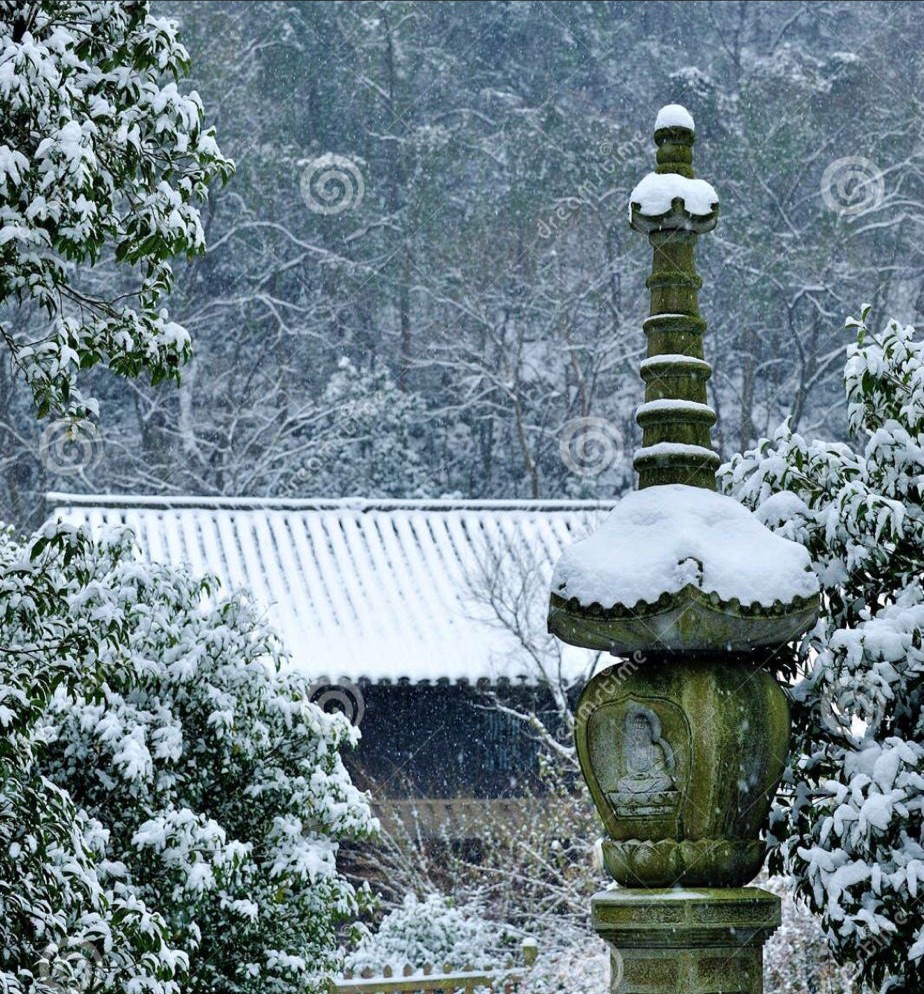


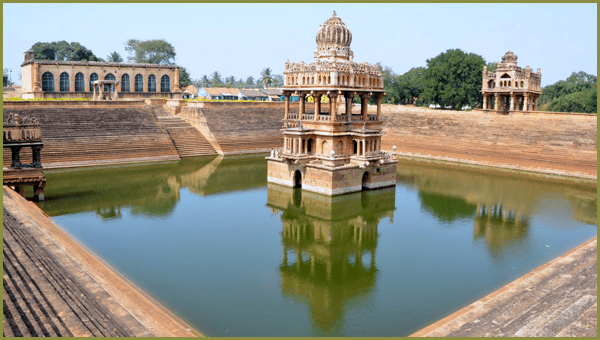
Alātacakras: a burning road that is spun to resemble a wheel of fire. This is used to represent an illusion of there being a fire-wheel when in fact it is just a fire-rod being spun quickly. This is used here in this sūtra to represent illusion and also because the flowers on the Tāla trees are cylindrical:


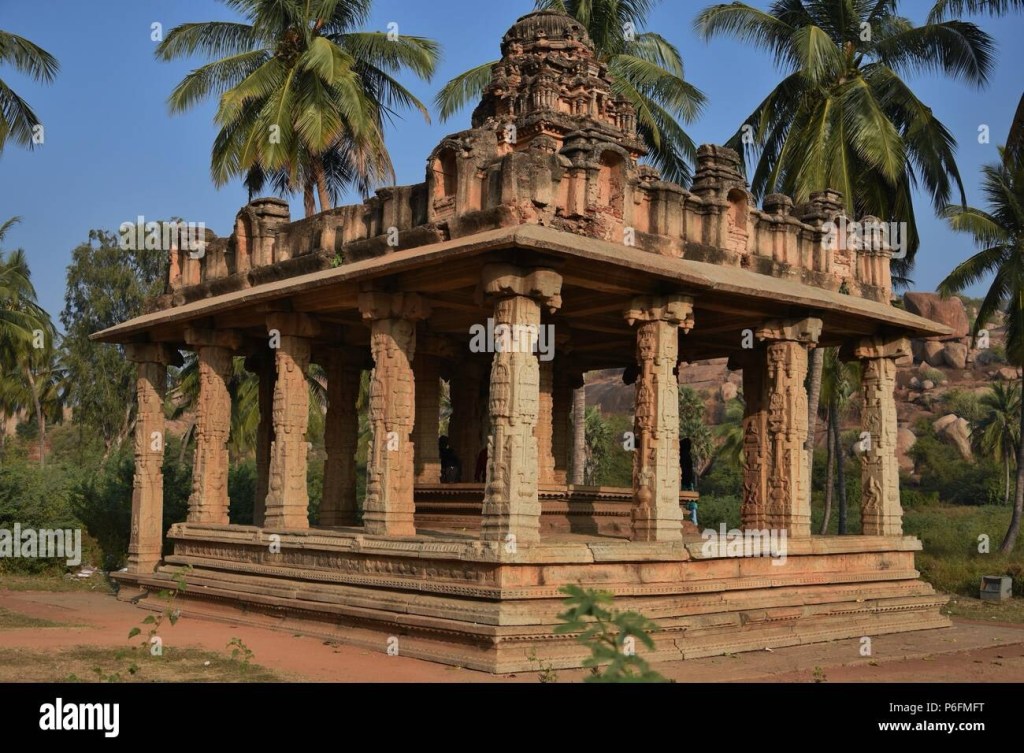
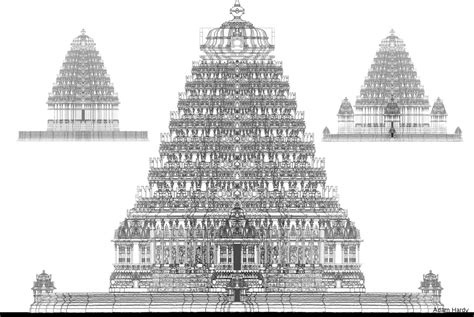


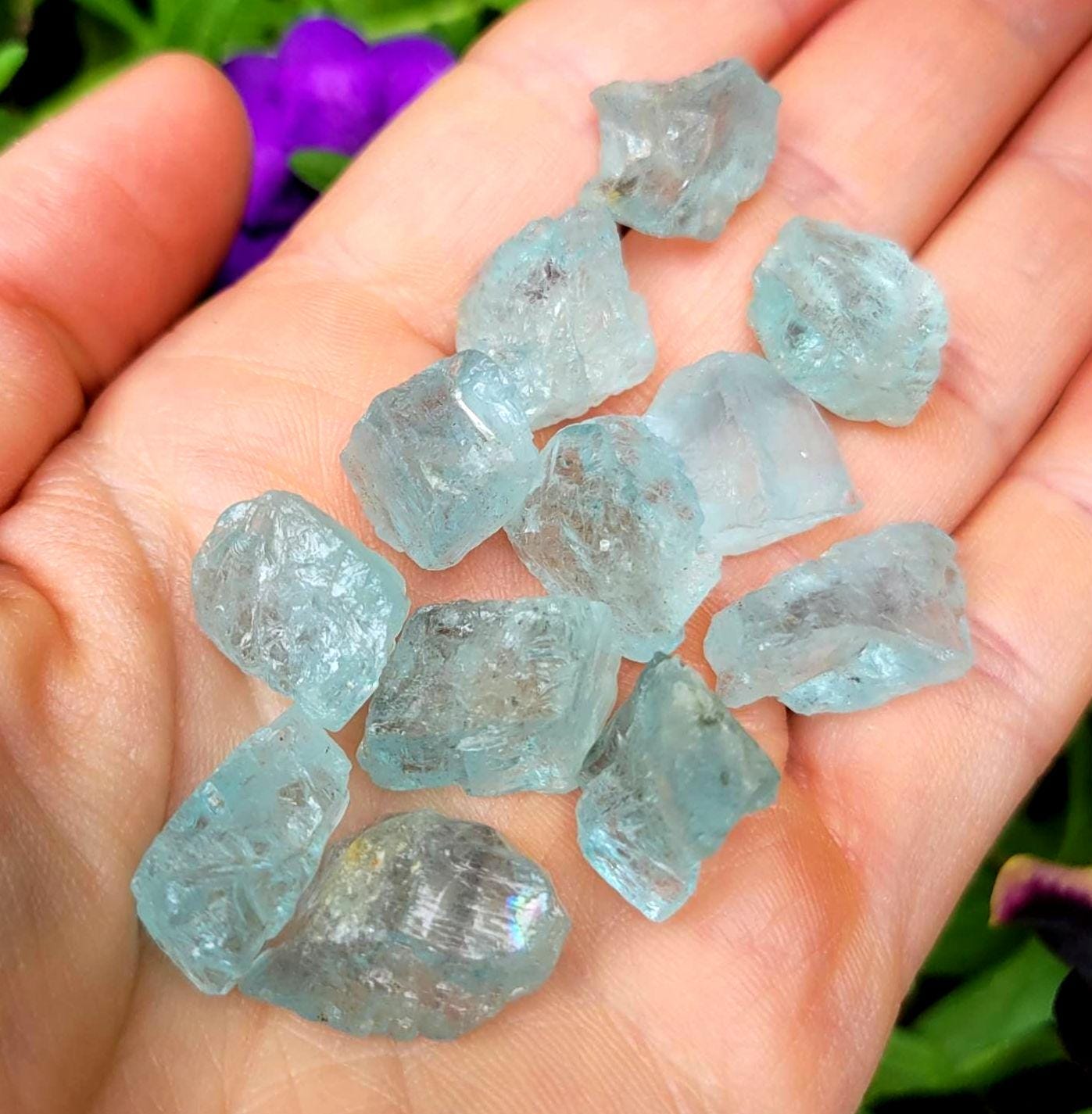


- Blue Beryl. ↩︎
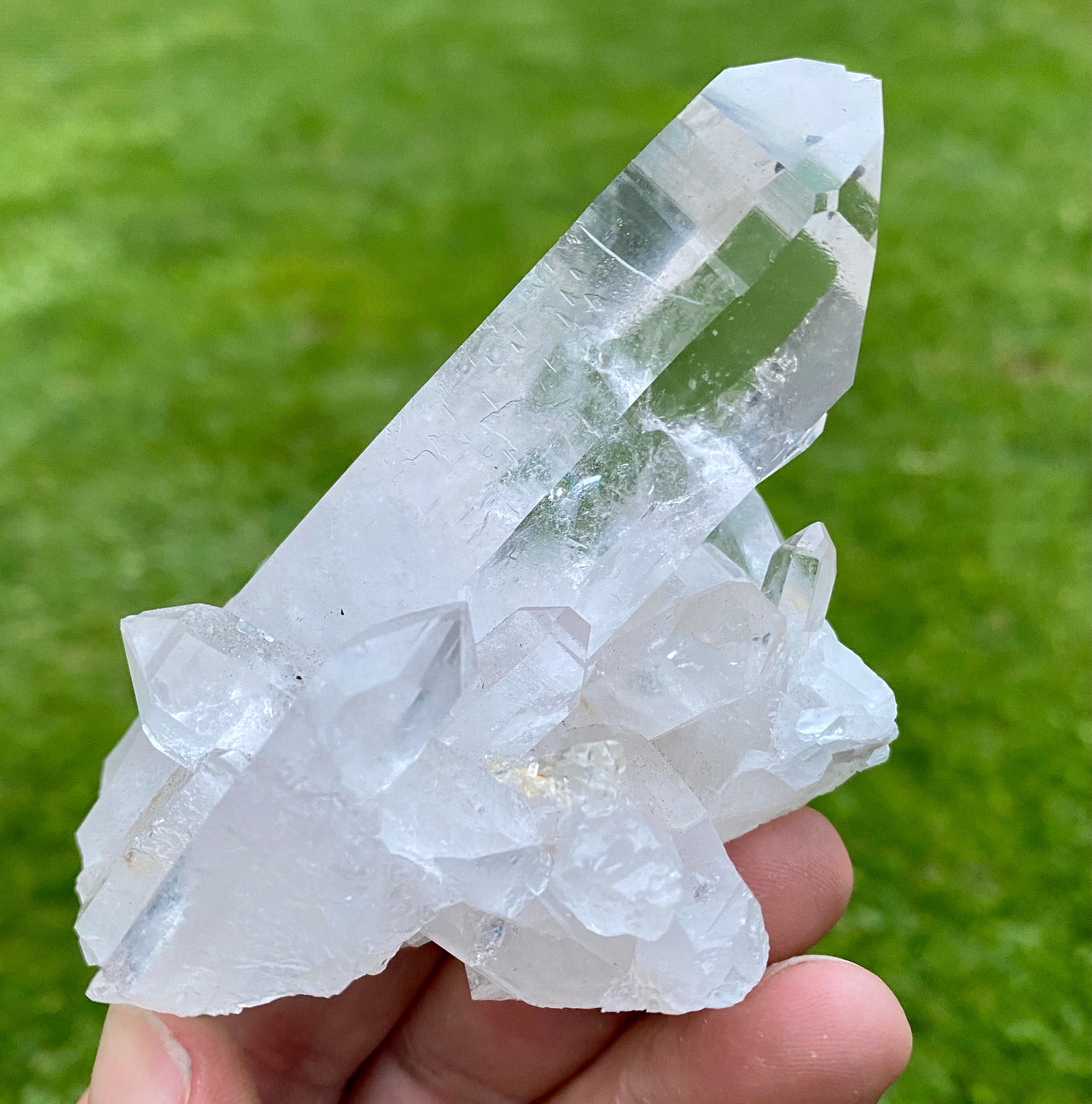
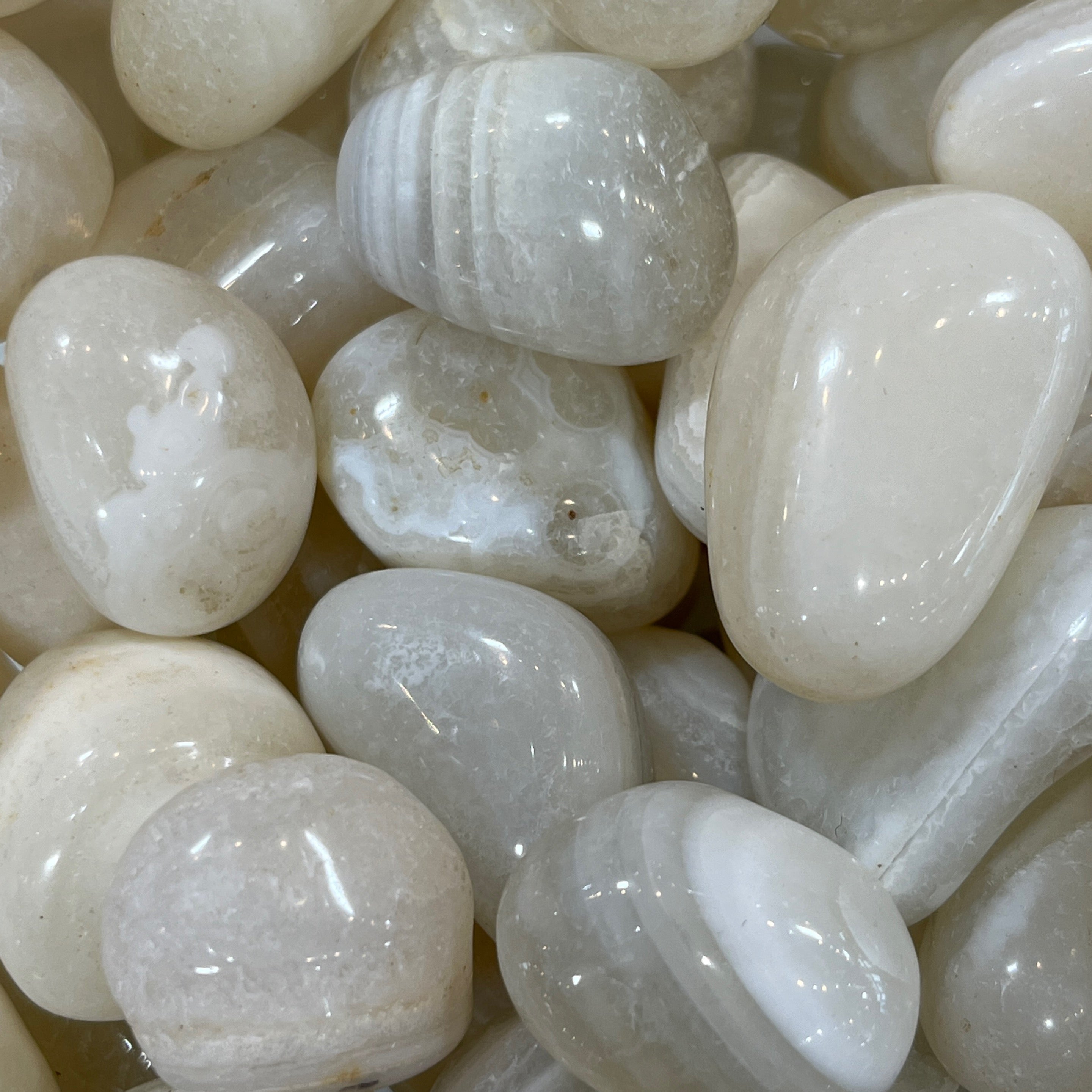
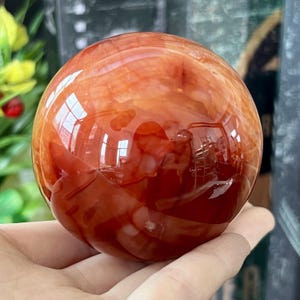
- The Seven Jewels are: Suvarṇa (Yellow Gold), Rūpya (White Silver), Vaiḍūrya (Blue Beryl), Spaṭhika (White Crystal), Lohitamuktā (Red Pearl), Aśmagarbha (White Agate), and Musāragalva (Maroon Carnelian). ↩︎
- North, East, South, West, North-East, South-East, South-West, and North-West. ↩︎
- An Indian Buddhist number representing 100,000. ↩︎
- Golden Webbing. ↩︎
- An Indian Buddhist number representing 10,000,000. ↩︎
- An Indian Buddhist number representing immeasurability. ↩︎
- Mindfulness/Remembrance. ↩︎
- Literally “Endowed with Bliss”. ↩︎
- Meditative Stability. ↩︎
- Aeons. ↩︎
- An Indian Buddhist unit of measurement representing 4 times the distance one can shout and be heard. ↩︎
- Red Coral. ↩︎
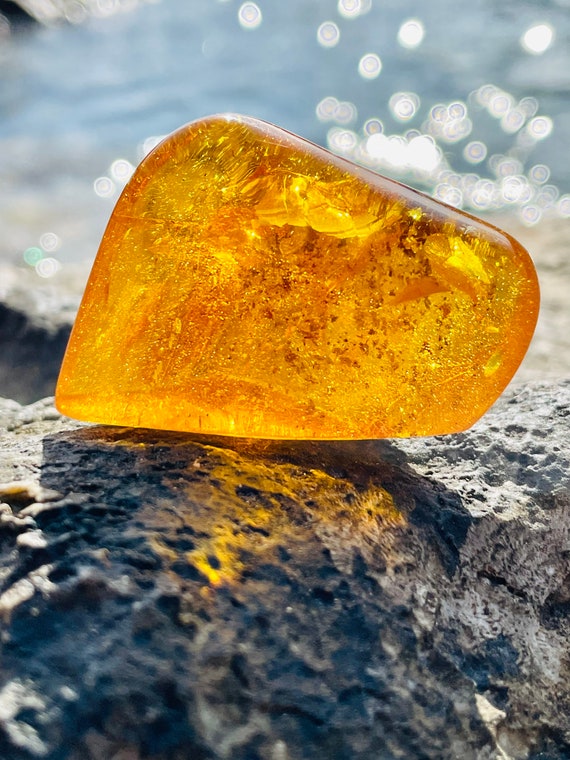
- Yellow Amber. ↩︎
- Youths and especially a Youth that is a Crown Prince. ↩︎
- Sons of the Devas. ↩︎
- Wish-Fulfilling Crystal-Ball Gemstone. ↩︎
- Crystal-Ball Gemstone. ↩︎
- Purple/Pink/Reddish Gold from below the Great Jambu Tree north of the continent of Jambudvipa. ↩︎
- Fire rods that when spun give the illusion of a wheel of fire. This is used in both Vedic, Sramanic, and Buddhist sources to represent illusions. ↩︎
- A single buddha-land. Multiply a single world system by 1000, then multiply by 1000 again, and multiply by 1000 once more. This makes up a Third Thousand Great-Thousand World System. ↩︎
- The length between one hand to the other when both arms are held out. This also represents the height of a person. ↩︎
- Mindfulness of the Buddha, Mindfulness of the Dharma, Mindfulness of the Samgha. ↩︎
- Mindfulness of the Monastic Samgha. ↩︎
- World-System. ↩︎
- King of the Wish-Fulfilling Crystal-Ball Gemstones ↩︎
- A golden moon-like crystal-ball gemstone that is usually worn by Sakra Devanam Indra. ↩︎
- Kimsuka is a jewel resembling the red flowers from the Kimsuka Tree. ↩︎
- These are the Pure Wish-Fulfilling Crystal-Ball Gemstones usually owned by Mahabrahma. ↩︎
- An Indian Buddhist number representing 1,000,000,000. ↩︎
- The Actions and Works of the Buddha. ↩︎
- Lotus Throne. ↩︎
- The Past Life of Amitāyus Buddha when He was a monk who vowed to attain this Pure Land for all sentient beings. ↩︎
- Dharma Realm. The Realm of all Phenomena. ↩︎
- Material-Form. ↩︎
- Meditative Calming. ↩︎
- Literally “Unlimited Life”. ↩︎
- An Indian Buddhist number representing 100,000,000,000 ↩︎
- Dark Purple-Blue, or Violet. ↩︎
- Bodies Created by Transformation. ↩︎
- An Indian Buddhist number representing unfathomability. ↩︎
- Great Compassion. ↩︎
- Loving-Kindness. ↩︎
- The Forbearance that one attains when one truly sees that all phenomena do not truly arise or perish. ↩︎
- An Indian Buddhist number representing incalculability. ↩︎
- Literally “Beholder of Sounds”. ↩︎
- The Top-Knot above Buddhas and Bodhisattvas. ↩︎
- Material-Body. ↩︎
- Literally “Immeasurable Light”. ↩︎
- Unsurpassable Strength. ↩︎
- Literally “Attained of Great Strength”. ↩︎
- Buddha-lands. ↩︎
- Literally “Golden Rays of Light”. ↩︎
- Literally “Radiant King of Sound”. ↩︎
- A worldling and someone who hasn’t achieved the stages of enlightenment that constitute a Noble One. ↩︎
- Supranormal Penetration. ↩︎
- An Indian Buddhist unit of measurement representing feet or a cubit. ↩︎
 Saddharmatā