Main Seven
Suvarṇa: Gold, yellow
Rūpya: Silver, white
Vaiḍūrya: Beryl, blue
Spaṭhika: Crystal, white
Lohitamuktā: Pearl, red
Aśmagarbha: Agate, white
Musāragalva: Carnelian, maroon
Extended List
Śirīṣagarbha: Amber, orange
Hastigarbha: Ivory, white
Marakata: Emerald, green
Vajra: Diamond, white
Pravāla: Coral, coral-red
Śaṅkha: Conch, white
Kiṃśuka: Cinnabar, vermilion
Notes
Many colours here can be compared one-to-one with the descriptions of the jewelled lions who sit within the Lion’s Throne. Here is an excerpt from Nāgārjuna’s Daśabhūmikaśāstra:
以寶師子赤金為身。虎珀為眼。車璩為尾。珊瑚為舌。白金剛為四牙。真白銀為髮。毛髮長廣。
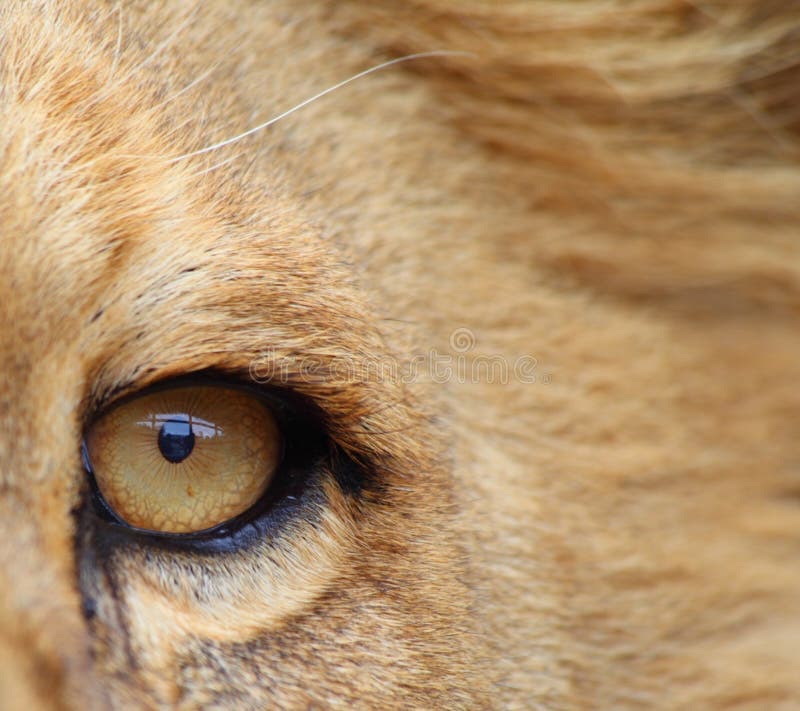
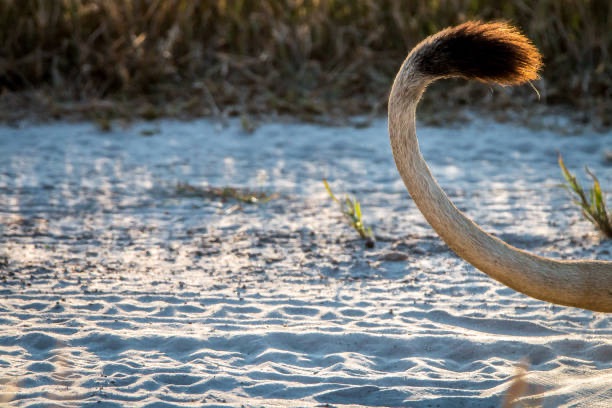
It has jewelled lions with jāmbūnadasuvarṇa serving as their bodies, śirīṣagarbha serving as their eyes, musāragalva serving as their tails, pravāla serving as their tongues, white vajra serving as their four canine teeth, and satyarūpya serving as their whiskers. Their manes and their whiskers are long and wide [respectively].
Here , if one were to sketch the images based on the usual listing of colours, one will notice they actually line up very well with the colours of a lion. Looking at lions we see their bodies being golden yellow, the colours of their eyes are amber-coloured, their tails are maroon-coloured, their teeth are white, and their whiskers are definitely white as well.

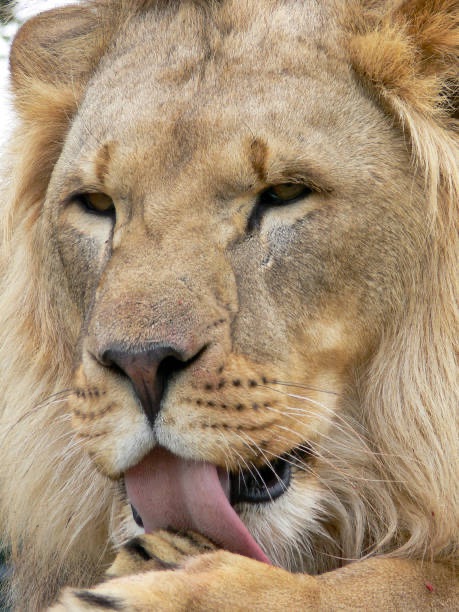
Pravāla as above was described as being the jewel which forms the tongues of the jewelled lions. Lions have lightly pale pink tongues and the colour is described as a coral-red. One can see coral-red which is a light pale-pink colour. This is the exact colour used today.

One might ask why we may be so sure some jewels have to be different. This can be seen within the Longer Sukhāvatīvyūhā Sūtra wherein the jewelled ponds are given contrasting colours below:
黃金池者底白銀沙,白銀池者底黃金沙,水精池者底琉璃沙,琉璃池者底水精沙,珊瑚池者底琥珀沙,琥珀池者底珊瑚沙,車璩池者底瑪瑙沙,瑪瑙池者底車璩沙,白玉池者底紫金沙,紫金池者底白玉沙,或二寶、三寶乃至七寶轉共
The suvarṇa ponds have a base of rūpya sand, the rūpya ponds have a base of suvarṇa sand, the spaṭhika ponds have a base of vaiḍūrya sand, the vaiḍūrya ponds have a base of spaṭhika sand, the pravāla ponds have a base of śirīṣagarbha sand, the śirīṣagarbha ponds have a base of pravāla sand, the musāragalva ponds have base of aśmagarbha sand, the aśmagarbha ponds have a base of musāragalva sand, the hastigarbha ponds have a base of jambunādasuvarṇa sand, the jambunādasuvarṇa ponds have a base of hastigarbha sand, some have two jewels, some have three jewels, up to seven jewels which adorn them.
Here we see a repetition of a colour with a white pairing except for the middle. We also see pravāla and musāragalva and aśmagarbha show up in the same listing as different jewels. Commonly these all get translated as some sort of red jewel but this would be a misunderstanding. Here we see the colours follow previous orders with: yellow-white; white-blue; red-orange; white-maroon; white-rosegold.
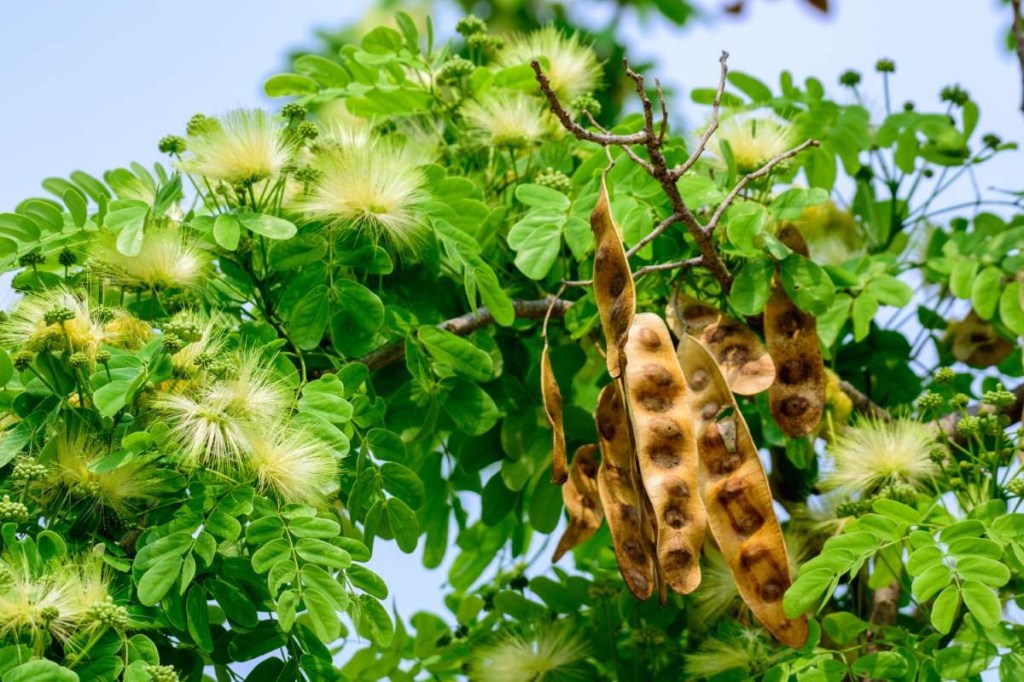
We can note that the Śirīṣa Tree is a tree still celebrated til the modern day in India and is identified as the Albizia Lebbeck Tree. Its fruits and flowers can be seen below. The fruit has a pale-orange/amber colour.
Hastigarbha is the colour of ivory and is translated into Chinese as White Jade. Obviously, we know what colour ivory has.
Marakata is literally the Sanskrit name for Emerald which is described as green.
Vajra is the Sanskrit name for diamond. We know that base-diamond is white in colour.
We already covered Pravāla above.
Śankha is literally the Sanskrit word for a Conch Shell which we all know is white.
We may also note that for Kiṃśuka which is a jewel resembling the colour of the Butea Monosperma tree’s flower, the tree itself called the Kiṃśuka til the current day. The colour of its flowers can be seen below and aligns with the colour of vermilion and at its most reddish being scarlet. Thus I have tentatively translated it as cinnabar of which is vermilion and of which is also a plausibly celebrated jewel in Ancient India.


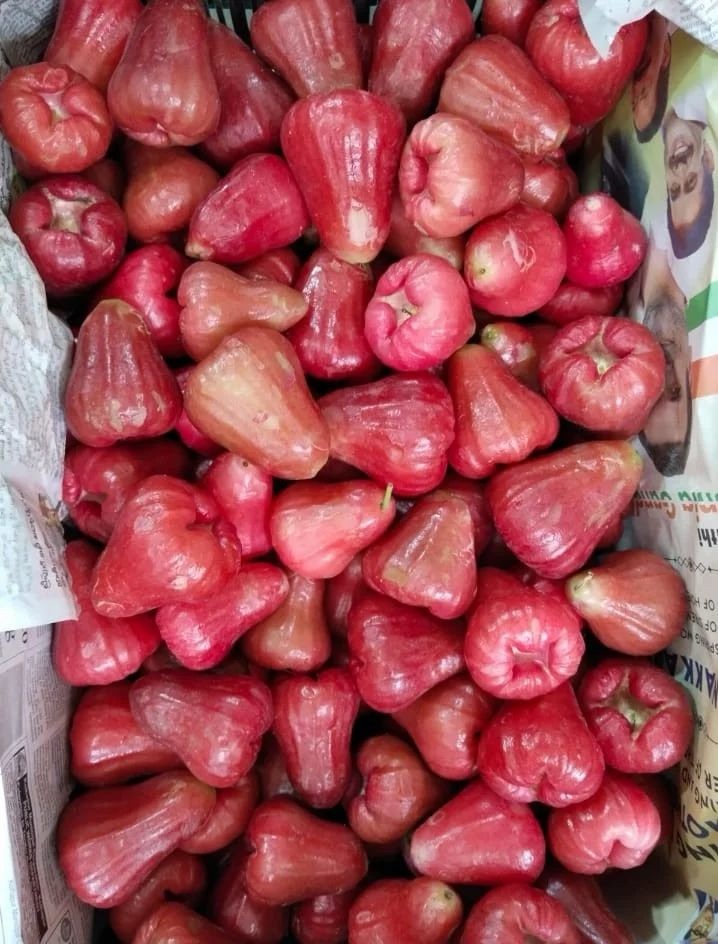
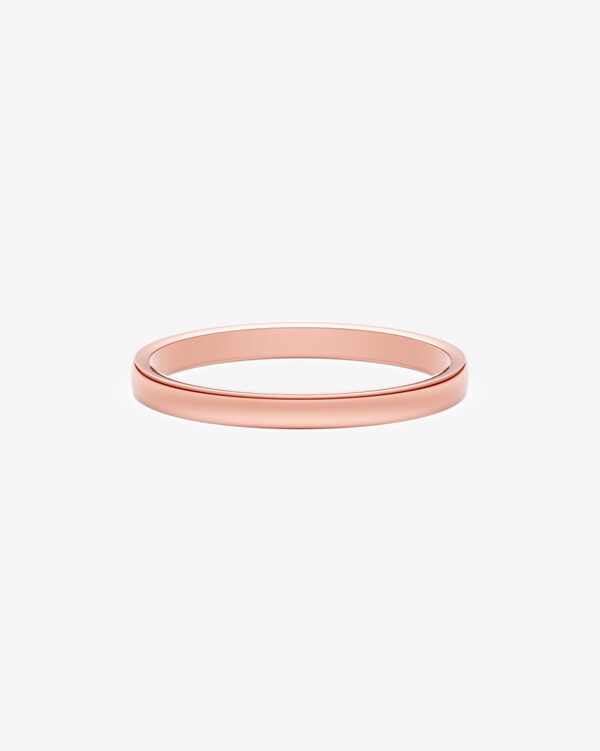
Jambūnadasuvarṇa is an interesting colour of gold. A jambu tree is a rose-apple tree of which has fruits that are crimson in colour. Now, Jambūnadasuvarṇa is a type of gold produced by the rivers flowing from the Great Jambu Tree, this gold acquires part of its colour. We can see this word also get translated into Chinese as red-gold or purple-gold, and this is also the colour of the bodies of Buddhas and Bodhisattvas. Seeing this we can think of the kinds of naturally occurring gold found in ancient India which included such gold as rose-gold and red-gold. These two forms of gold are alloys of gold with mixes of copper and silver. Rose-gold can be seen even to modern day as a highly sought after form of gold. This form of gold has a very slight rosy-tint but is otherwise golden in colour.
 Saddharmatā